AI everywhere, but scaling is hard: WFA finds 96 per cent of major brands surveyed using AI; integration dramas abound; poor visibility into agency use
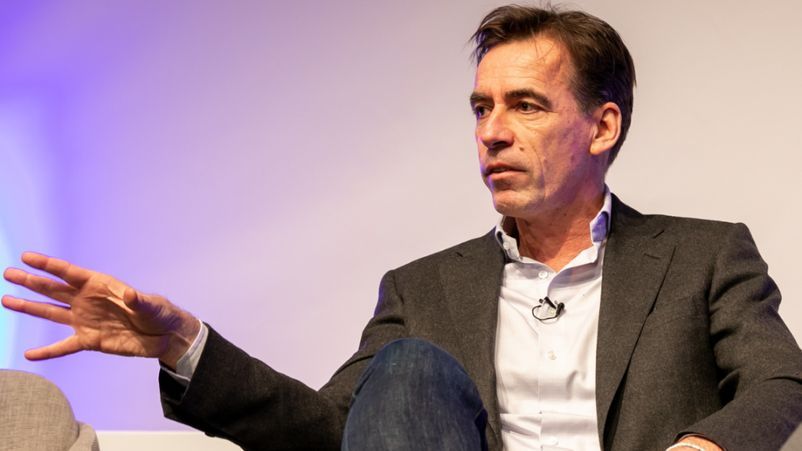
Stephan Loerke.CEO, WFA

AI has thoroughly colonised marketing, with WFA finding 96 per cent of major brands surveyed using it, while integration headaches, skills gaps and agency blind spots complicate expansion.
Nearly all major brand owners surveyed by the World Federation of Advertisers use artificial intelligence in marketing, but integration problems, skills gaps and limited visibility into agency practices are complicating efforts to expand deployment.
The federation's State of AI in Marketing 2026 research found 96 per cent use generative or agentic AI, up from 45 per cent in 2023, as applications spread across research, media buying, planning and workflow automation.
According to Stephan Loerke, CEO at WFA, "Whatever reservations brands may have about AI, they are focused on taking advantage of the technology right across their marketing organisation. The breadth of uses represents an industry that is getting to grips with the opportunity, but the next stage will be to deploy proven use cases at scale around the world."
The study gathered responses from 54 senior executives representing 46 major brand owners with combined advertising expenditure of $93 billion. WFA published the findings in September.
Scaling adoption ranks among the top three priorities for 63 per cent of participating brands. Technology integration and interoperability is the most frequently cited barrier listed, at 45 per cent, followed by governance and legal requirements at 43 per cent, data quality and access at 37 per cent, and skills at 35 per cent.
Training and upskilling has become a top-three organisational priority for 55 per cent, while 69 per cent describe AI literacy as moderate.
Content creation and production remains the leading application, used by 80%= per cent. Productivity and team efficiencies, and content ideation, each record 74 per cent, followed by research, insights and social listening at 72 per cent.
Media buying
AI use in media buying, planning and optimisation reaches 54 per cent, while 48 per cent applies it to strategy and planning and the same share uses it for workflow automation and autonomous AI agents. Personalisation and customer experience accounts for 40 per cent, and consumer-facing chatbots 20 per cent.
WFA said 70 per cent had prioritised marketing efficiency two years earlier, with 30 per cent focused on effectiveness.
Brands are introducing controls over AI-generated work, with 75 per cent requiring human oversight and 57 per cent requiring review and approval of outputs. Seventy per cent maintain approved or prohibited tool lists.
However, only 13 per cent reports a great deal of visibility into agency AI use. Sixty-nine per cent requires agencies to disclose when they use AI, while 59 per cent is introducing contractual clauses addressing issues including intellectual property, confidentiality and training data.
Preparation for AI-driven consumer discovery is also uneven. Seventy-three per cent is taking steps to monitor and measure brand visibility in AI responses, 67% is adapting search engine optimisation, and 58 per cent is reviewing content strategies.
Only 8 per cent describe themselves as very prepared, with a clear strategy, ownership and measurement framework. Most, 74 per cent, say they are actively developing a strategy, while 11 per cent are monitoring developments without taking action and 7 per cent have yet to address the issue.
Paid advertising in large language models remains an experimental activity for a minority.
Twenty per cent are testing the channel, while 4 per cent rank it among top priorities. Concerns accompany that experimentation: 85 per cent are moderately or very concerned about brand visibility, control and transparency, while more than 60% expressed concern about consumer trust, regulation, reputation and safety, and measurement.