Regulating influencers' influence: Government crackdowns sets new creator compliance challenge for the industry
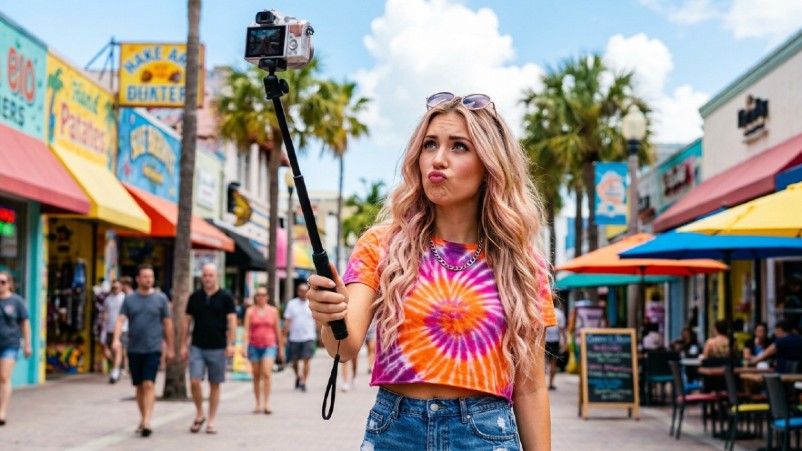
Last week’s inclusion of influencers in proposed gambling advertising reform - and the first formal warning from ACMA for an influencer promoting illegal gambling services just days later - is a sign the country’s regulators now see creators to have comparable reach, trust and persuasive power to other traditional media channels, celebrities and ambassador commercial relationships. Which means they should be held to similar account. Per one agency exec speaking to Mi3, influencer partnerships “are no longer being seen as a marketing niche, but as established media and endorsement channels with equivalent responsibilities”. Platforms know it and are getting in on the act, launching scaled creator partnership plays to further drive activity. And with nano and micro influencers also caught in the regulatory net and accounting for nearly half of planned activity, AIMCO’s chief Patrick Whitnall is calling for more education and compliance training to become a priority. Yet even as Unilever’s CMO told this year's Cannes attendees that influencers are vital to modern demand, System 1, TikTok and WPP Media’s latest research into creator effectiveness pointed out, less than 3 in 10 paid brand-creator partnerships are paying better dividends than traditional brand building.
Last week’s gambling reform bill wasn’t just a sign that the Government is changing its mind on the harm advertising on mainstream media can do to a persuadable public. It’s also another step in a quest to recognise and regulate emerging marketing channels of engagement and persuasion: Namely, social media and influencers.
Australia’s under-16s social media ban was clearly a major step forward by the Government to combat social’s influence on our youth. And there’s a continuing thread through the new gambling ad restrictions that tries to ensure under-18s don’t get exposed online to gambling promotions – notably, by banning online services from showing any such ads unless they’ve taken reasonable steps to prove the viewer’s age first.
Whether verification practices online are strong enough to even deter, let alone block young eyes and ears, is a matter of contention right now, of course. The opposition’s work last week to defeat the Government’s bill attempting to double social media breach fines to $99 million and trigger a full-blown senate inquiry shows many don’t believe these processes are strong enough.
Nevertheless, the Government’s position is clear: It recognises social media and online platforms have huge influence and reach, and it’s explicitly attempting to address them. In complement and on the child online safety front is the forthcoming Children’s Online Privacy Code (part of tranche one of the Privacy Act overhaul and commencing from December 2026), which seeks to go beyond social platforms and into further spaces where children are increasingly being influenced online: Apps, games and websites.
But what last week’s gambling reform bill also signals - and today's ACMA warning to martial arts influencer, Jamie Mullarkey, for promoting illegal gambling services - is a Government acknowledging influencers and creators themselves need further regulation, given their growing influence on Australians consumers, both young and old.
“Until now, influencers have been governed mainly by self-reg or quality codes; they haven’t necessarily been named in a bill. That’s significant, because influencers and creators are in the sight of Government," AIMCO CEO, Patrick Whitnall told Mi3.
Importantly, it’s not just the big end of influencer town getting noticed: All influencers, regardless of follower numbers, will potentially be caught in this legislation. With nearly half of marketing budgets now going to nano and micro influencers, it’s further proof professionalism and compliance in the creator space has to be forged – even across the smallest of operators.
All this while brands are still trying to figure out how best to use influencers to greater effect. The latest System 1 data, unveiled at Cannes, shows only 10 per cent of creators are delivering the 4X brand multiplier effect that can be gleaned from brand-creator partnerships. Fewer than 30 per cent of examples outperformed traditional brand work for brand building. The rest of creator-brand partnerships are still “much like going to the casino”, said System 1 chief growth officer, Andrew Tindall, in a spookily apt analogy.
Influencer might
Arguably, we wouldn’t have seen influencers captured in a response to Peta Murphy’s landmark report, ‘You Win Some, You Lose More’ if action had been swift post publication in late 2022. But with the size of influencer spend continuing to grow and creators gaining dominance as mainstream media channels, it’s a reality of today’s landscape.
Fresh figures from Influencer Marketing Hub pitch global influencer marketing at US$32.55 billion in 2025, more than triple its 2020 size. Per Kantar data, 61 per cent of marketers plan to increase spend on creator content in 2026. Locally, Meltwater and We Are Social’s Digital 2026 Report pegged Australia’s influencer advertising spend at US$590 million, up 13.5 per cent on the previous year. That’s 3.8 per cent of total digital ad spend, a 7.2 per cent year-on-year jump.
Platforms are sprucing up capabilities to service creators at scale as a result. LinkedIn has debuted its Creator Marketplace to assist brands in finding and partnering with trusted voices at scale, and centralise discovery, insights, and partnership tools. TikTok last week launched more AI tools plus custom Creator Networks so brands can build an influencer network across employee creators and others. Meta is also upping the ante on its creator tools and services.
It’s not all working well, however. According to the latest System1 / TikTok / WPP Media report, Creator Effectiveness Playbook, creator ads outperformed traditional brand ads in short-form formats, delivering 23 per cent higher Brand Memory Lift than brand-led advertising. The caveat: It’s a minority winning this game. Only 29 per cent of creator-led ads outperformed the average branded ad, per System1, with just a sliver – 10 per cent – generated four times the brand memory lift of the remaining 90 per cent.
Similarly, Kantar’s data shows platform engagement and effectiveness data aligned in only one in three pieces of creator content. Its work compared platform engagement scores against its proprietary Brand Power scoring benchmarks across 15,000 pieces of content.
But influencers’ influence is clearly so significant that the world’s biggest brands are continuing to throw dollars behind them. Unilever is the poster child here, having declared its efforts 18 months ago to have an influencer in every postcode on the planet and allocate 50 per cent of all spend to creators. It’s been doubling down on this work ever since.
The FMCG giant’s CMO, Leandro Barreto, used the Cannes stage this year to reiterate that creators are “the reality” for how demand is generated for brands today.
“It’s not about channels, it never was. TV didn’t die; paid media didn’t die – this is about how demand gets created. People listen to the recommendations of their communities and trust what other people are doing,” Barreto told attendees. “ They always have – long before platforms, influencers, algorithms.
“At Unilever, we have decided to stop asking what our brands want to say, and start asking others what they want to say about our brands. And it changed everything … it’s not about going social first, it’s about going reality first.”
IAB Australia’s new Commerce & Discovery Report 2026 emphasises this retail link. The industry body reported influencer and creator content across social media, video platforms and podcasts is clearly influencing what shoppers notice and consider. Sixty-eight per cent of Australian online shoppers use social media to discover, research or compare products and brands, rising to 88 per cent among those aged 18–39.
However, trust remains critical, with 86 per cent saying the reputation of the brand being promoted is at least somewhat important when acting on creator recommendations.
“It’s not about channels, it never was. TV didn’t die; paid media didn’t die – this is about how demand gets created. People listen to the recommendations of their communities and trust what other people are doing. They always have – long before platforms, influencers, algorithms. At Unilever, we have decided to stop asking what our brands want to say, and start asking others what they want to say about our brands. And it changed everything … it’s not about going social first, it’s about going reality first.
Influencer bets
And then there’s gambling. Those speaking to Mi3 indicated some of the gambling company dollars pulled back from mainstream, above-the-line channels back in 2023 in anticipation of forthcoming legislation have ended up channelled into the largely self-regulated influencer space instead.
In response, there’s been some action on the regulatory front. Influencers are under specific rules around not promoting any illegal, offshore gambling firms, for example, and the ACMA has opened up investigations of influencers suspected of promoting them.
The first landed this week against martial arts fighter, Jamie Mullarkey. The ACMA investigation found Mullarky had promoted illegal offshore gambling services in sponsored posts in his Instagram account, including a link to the site with promotional hashtags.
“This is the first enforcement action we have taken against an influencer for breaching online gambling rules, and it should serve as a warning to others," said ACMA member, Carolyn Lidgerwood.“In this case, the ACMA issued a formal warning considering the specific circumstances of the matter. This included that Mr Mullarkey ended the sponsorship arrangement promptly, cooperated with the investigation and quickly removed the material. Mr Mullarkey also accepted responsibility for his conduct and expressed genuine remorse."
It's a clear sign any promotion that includes live streaming, gambling on an illegal service, showing followers how to play or place a bet, including links that direct people to illegal gambling services, or running promotional giveaways tied to those services are in the firing line. Penalties for promoting illegal gambling services range from $60,000 (individual influencer breaches) to $2.5m (facilitating access to these services).
Influencers are also subject to any platform rules set in place by the likes of Meta, Twitch or TikTok, which have varying rules and practices around gambling-related advertising.
But under the newly proposed gambling reform and legislation, influencers would be banned entirely from promoting gambling companies.
“We will ban notable people, including athletes, celebrities, and influencers, from promoting gambling. We have used broad definitions in the legislation to reflect the fact that the nature of celebrities is changing,” Communications Minister, Anika Wells said. “We know gambling companies are targeting young people through influencers on social media; the changes in this bill will put a stop to that. It doesn't matter how many followers they have or which platform they use. Under this law, a gambling company cannot enter into an arrangement with an influencer to promote gambling to their followers.”
Whitnall saw the proposed gambling reform setting a new precedent where influencers are explicitly being referenced in new legislative reform.
"Up until now, we’ve had ABAC [Alcohol Beverages Alcohol Code], which is self-regulatory; then you have Therapeutic Goods [Advertising Code], which sits under the statutory TGA code and bans influencer testimonials. The ACCC has also referenced influencers and creators and said something on their work [under Australian Consumer Law]. But they have not passed or said something specifically in a bill or legislation about influencers; that is new. They’ve previously attached existing regulations to this space," Whitnall explained. “For me, it’s a shift from do not mislead to basically saying you can’t participate in this category at all."
From niche influencer to established communications channel
Several other influencer agency executives and wider industry participants agreed the government increasingly wants to treat influencers at the same level as celebrities and athletes, while acknowledging their ability to influence consumer behaviour.
On background, one agency exec said it’s a clear maturation of the industry, noting influencer partnerships have often been viewed as something separate from traditional endorsement or media relationships – until now. The new proposed ban frames them in the same way as other more established communication mechanisms to market.
“Regulators are now recognising that creators can have comparable reach, trust and persuasive power,” the agency exec told Mi3. “This suggests influencer partnerships will increasingly be held to the same standards and expectations as other high-profile commercial relationships. It signals that creators are no longer being seen as a marketing niche, but as established media and endorsement channels with equivalent responsibilities.”
In a blog post titled ‘The influencer gambling loophole might come to an end’ by influencer management platform vendor Fabulate, the proposed ban was also positioned as proof creator marketing is “entering a more regulated era in Australia”. The vendor paid particular note of the fact that the laws apply no matter how many followers someone has. According to recent figures out of eMarketer, 45.5 per cent of the total industry budget for influencer marketing is going to micro and nano influencers with under 20,000 followers.
“For years, creators have operated in the grey area between online culture, advertising and entertainment,” Fabulate stated in its post. “This could be as simple as casually mentioning a brand, folding a commercial message into a skit, using brain-rot humour to feed on youth culture, hosting a sponsored podcast segment, sharing a betting link, discussing odds, or posting fake bets and wins. All of it can be used to create a sense of manufactured hope – or worse, to influence a younger demographic.
“The creator-specific measure is especially significant because influencer marketing has become one of the ways gambling brands reach and engage new audiences.
“The bigger point is simple: If someone is paid to influence consumer behaviour, it is advertising, and audiences must not be misled.”
Head of enablement at influencer agency Vamp, Emma Gonzalez, also didn’t miss the significance of regulators recognising influencer partnerships as commercial advertising, alongside more traditional forms of media.
“They’re no longer viewed as an emerging channel or an exception to the rules, they’re recognised as professional commercial partners whose influence and responsibilities sit alongside publishers, broadcasters and other advertising channels,” she said.
We’ll need more education and compliance training
With the reform bill only on its first read, the direction of travel is still being put into concrete.
“Our priority when it gets closer is what’s the workable definition, how is it captured, and what's the clear guidance that creative agencies can access with confidence. How, if at all, are they allowed to participate in this space?” said Whitnall.
“With alcohol, it required the creation of ABAC to be able to help brands or businesses, and creators and agencies work safely by understanding the world's legislation around it. If it gets to a complete ban, then it's very clear, but we're far away from it being finalised. If it’s similar to alcohol, then it's a case of, okay, how do we help our agencies and brands and creators navigate this safely?”
Whitnall’s particular concern is education for micro and nano influencers captured by the government’s broad brush. It’s recognition of their influence, yet it also presents a compliance and governance challenge.
“There will have to be considerations, and we will have to continue to educate and professionalise the creators, because as always, there are lots of creators in this country, and the majority of them aren't represented by an agent or someone – they’re doing this as a side hustle,” he said. “They have to very, very quickly turn into the CEOs of their own businesses to understand tax compliance regulations, those things.
“The Government are good at banning ads. If I was on the phone to the government now, I would be saying, if you're going to include creators for the first time, you have to get serious about how you educate creators to understand these rules. If you see them as publishers, and are throwing Mum and Dad creators in with celebrities, athletes and stadiums – all of which have support teams or compliance or legal teams – there needs to be some serious education done to help them understand if the rules go through.”
They’re [creators] no longer viewed as an emerging channel or an exception to the rules, they’re recognised as professional commercial partners whose influence and responsibilities sit alongside publishers, broadcasters and other advertising channels.
The tabling of the bill surprised more than a few this week, but it comes after the Government mooted its long-awaited proposal to reform gambling advertising in April. As reported by Mi3 last week, key advertising inclusions featured in the bill are:
- Gambling advertising will be restricted on broadcast television to no more than three ads per hour between 6am and 8.30pm.
- Banning the broadcasting of odds.
- When ads are broadcast, the government is also threatening to ban advertising content “that includes harmful or misleading information”.
- A complete ban on gambling advertising during live sports broadcasts at any time of play
- A ban on gambling advertising on radio during school drop-off and pick-up times
- A complete ban on gambling advertising on online platforms, including social media, news media, Spotify, YouTube, podcasts, streaming services and Google, unless people have a logged in account, there are “reasonable steps” taken to verify they’re over 18 years of age, and have a clear option to opt-out of gambling advertising.
- Banning the use of celebrities and sports players in gambling ads, along with odds-style ads targeting sports fans.
- Banning gambling advertising on the physical sports field and on players’ jerseys and officials’ uniforms.
- A complete ban on influencers promoting gambling companies and gambling
Outside of the advertising scope, other components of the reform bill include provisions to disrupt illegal gambling operators, strengthening the national exclusion register, BetStop (including a new levy on wagering companies to fund education and awareness programs). The Government also wants to better crack down on “damaging and emerging” online lottery products and illegal sites. Wells noted more than 1700 illegal gambling websites had been blocked since 2019, but said current settings “are unwieldy and inhibit the independent regulator” – ACMA – from investigating and actioning responses.
The gambling reform bill has now been sent to an eight-week Senate inquiry.