Australian homes doubled down on smart tech as batteries drive $11bn boom
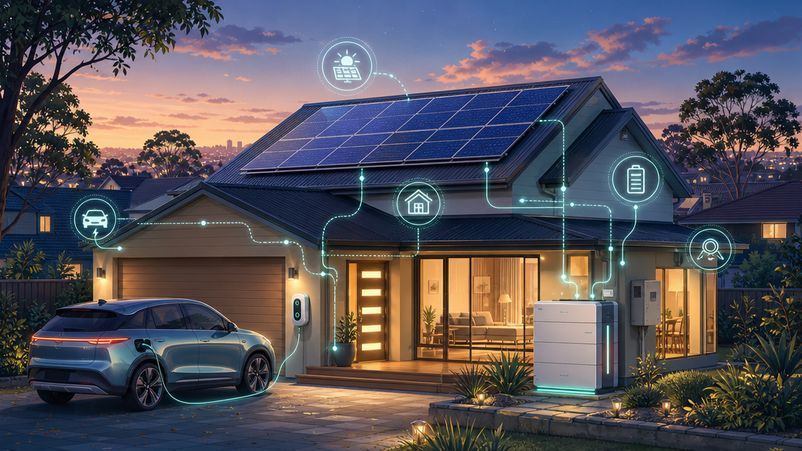
Australia's smart home market is projected to exceed $11 billion in 2026, up from $7.7 billion in 2025. Government battery incentives and rising energy costs are driving this growth by increasing demand for storage and energy management solutions.
According to the latest data from Telsyte, 86% of Australian households own at least one smart home product, up 10 percentage points since 2024. Households with a dedicated smart home budget have also increased from 44% to 71% over two years.
The average budget for smart home products has risen by over $1,300, reaching more than $3,500 in 2026. Despite this, 58% of households report feeling more financially stretched than a year earlier, and 69% are working to either lift their income or reduce expenses.
Smart battery systems have become a significant component of the market, accounting for two-thirds of smart home market revenue in 2025. Battery revenue rose 396% year-on-year. About two in five Australian homes have rooftop solar, and many households without solar or battery systems are interested in battery storage. Telsyte expects the battery share to peak in 2026 before moderating to just over half by 2029.
Interest in electric vehicles (EVs) is also notable, with 37% of non-EV owners considering purchasing an EV even if fuel prices return to normal levels. Telsyte estimates that around half a million EVs will be on Australian roads by the end of 2026. "Many solar-powered homes are taking the next step with batteries and EVs," said Telsyte MD, Foad Fadaghi.
The demand for energy management services is high, with 61% of solar or battery adopters expressing interest. Virtual power plants are also gaining traction, with 63% of battery owners showing interest in such services. Professional installation services are in high demand, with smart home installation revenue growing 87% year-on-year in 2025.
Smart security systems, led by smart cameras and video doorbells, are seeing increased adoption. However, revenue in this segment declined by 8% in 2025 due to price competition. AI-enhanced smart living is expected to appeal to households seeking hyper-personalisation and better everyday experiences.
Despite growth in smart home adoption, 67% of users have had difficulty getting their devices to work together. Smartphones remain the dominant controller for smart home systems, used by 58% of users. Meanwhile, revenue from smart hubs, including smart speakers, fell by 32% in 2025.
Public perception of AI's role in managing smart homes is evolving. Seventy per cent of Australians believe AI could manage a smart home better than they can, up from 58% in 2024. However, more than three in five Australians would feel uncomfortable if AI made decisions in their home without their prior knowledge.
"Households will hand AI the keys when privacy and security safeguards are in place," added Telsyte Senior Analyst, Alvin Lee.