Regional migration surges: Sunshine Coast leads as top destination, regional Victoria is a growth hotspot

Regional Australia's allure remains strong, with capital-to-regional migration reaching a record high in the June quarter, matching the mid-Covid pandemic June 2021 peak.
Sydney and Melbourne drive capital city outflows, accounting for 52 per cent and 36 per cent, respectively. Against this, regional New South Wales and regional Victoria lead net regional inflows at 33 per cent and 26 per cent, respectively.
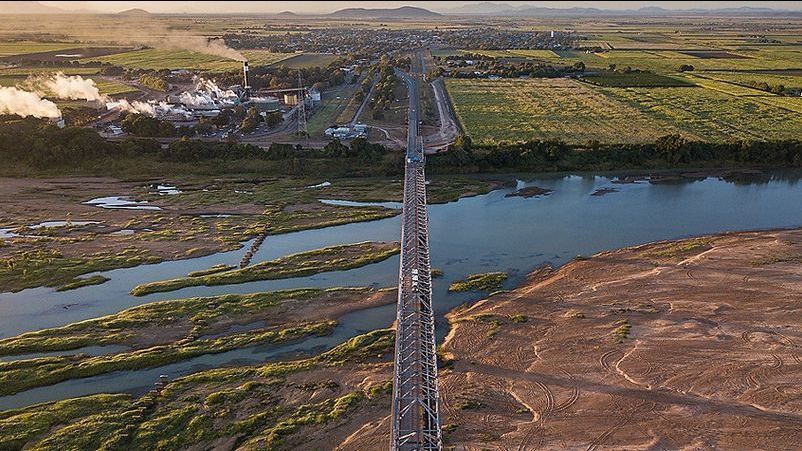
The Sunshine Coast remains Australia's preferred destination by share, while Central Goldfields in Victoria is the country's fastest-growing region. Northern Queensland has seen concentrated regional growth, with Burdekin, Tablelands, and Douglas emerging as some of the nation's most popular hotspots.
The Regional Movers Index (RMI), a collaboration between the Commonwealth Bank (CBA) and Regional Australia Institute (RAI), monitors population shifts between Australia's capital cities and regions, as well as region-to-region migration.
In the June 2026 quarter, residents moving from capital cities to regions outnumbered those moving in the opposite direction by 30 per cent. Migration from capitals to regions represented 11.7 per cent of all internal migration, while movements from regions to capitals accounted for 9 per cent. It's a sign positive net migration to regions persists, following a decline in 2022-23, and remains well above the post-Covid average.
"The Regional Movers Index recorded its equal highest June quarter on record, matching the height of migration reached during the pandemic in 2021. This tells us the appeal of country living remains incredibly strong all year round, even outside the traditional peak moving periods," said RAI CEO Liz Ritchie.
Northern Queensland stands out, with the local government areas of Burdekin, Tablelands, and Douglas among the fastest-growing destinations by annual net internal migration growth.
"While established destinations such as Queensland’s Sunshine Coast continue to attract the largest share of movers, we're also seeing strong growth spread into other areas of the state including places like the Tablelands, Douglas and Burdekin. It shows Australians are increasingly considering a broader range of regional communities when deciding where to live, with the benefits of regional living extending beyond popular coastal towns and inland communities," Ritchie commented.
The top five local areas attracting movers in the 12 months to the June Quarter 2026 are the Sunshine Coast, Greater Geelong in Victoria, Lake Macquarie in NSW, Fraser Coast in Queensland, and Moorabool in Victoria. Greater Geraldton in Western Australia recorded the highest rate of net capital-to-regional migration growth in the June quarter, while the Mid Coast of New South Wales led net regional-to-regional migration growth.
Regional New South Wales, regional South Australia, regional Western Australia, and the Northern Territory slightly increased their share of internal movers in the year to June 2026 compared to the previous year. Tasmania and regional Victoria saw no change.
"Our recent Regional Population Planning report found that regional growth has outpaced government projections by 114,000 people over the past decade. With more Australians choosing regional communities, we need population planning that anticipates growth and ensures housing, infrastructure and essential services keep pace," Ritchie said.
"Across Northern Queensland, local investment is helping regions capitalise on their distinct strengths and drive broader economic growth. When local businesses invest and expand, the benefits flow through the wider economy, creating jobs, attracting skilled workers and strengthening the services and supply chains that help regional communities thrive," added CBA Regional and Agribusiness Banking executive GM Kylie Allen.
"One of the most significant findings in this quarter's report is seeing the ripple effect of regional population growth. As established regional centres expand, people are increasingly moving deeper into surrounding areas in search of greater housing, employment and lifestyle opportunities. This provides both metro and regionally based businesses with a unique opportunity to scale their operations and tap into a larger workforce and customer base," Allen said.
"As more Australians embrace regional living, sustained migration is strengthening local economies while underscoring the need for services and infrastructure that keeps pace with growing communities," Allen added.