Martech whisperer Scott Brinker warns customer-controlled AI agents threaten to upend how brands reach consumers

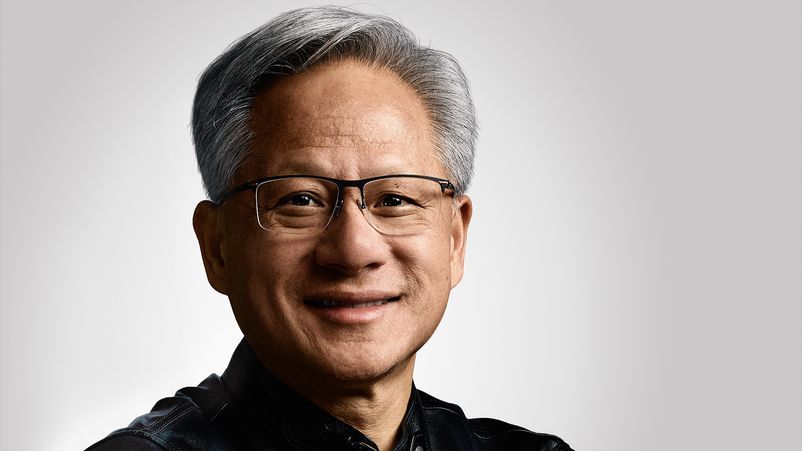
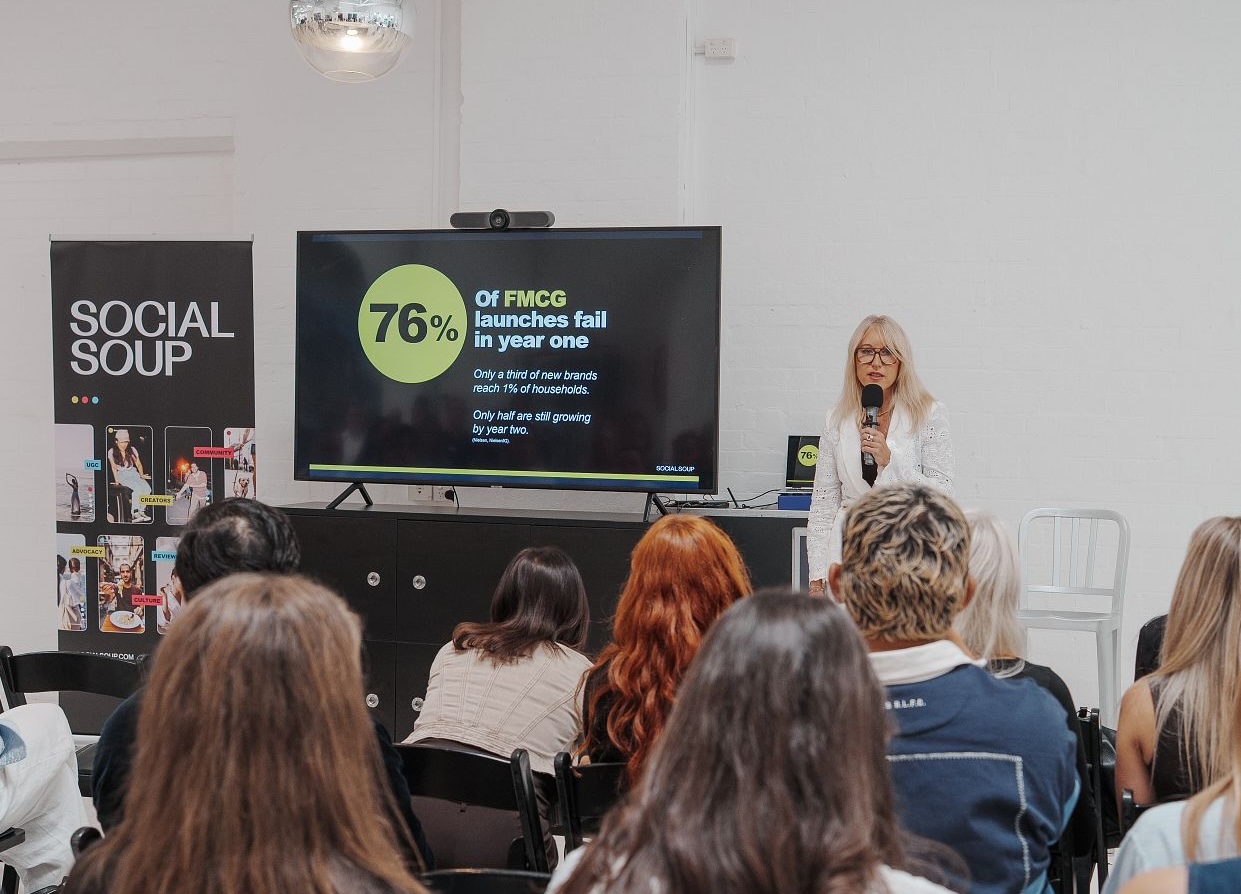
Chiefmartec editor-in-chief Scott Brinker keynoting at Melbourne's marketing Oktoberfest at RMIT
After decades spent building increasingly sophisticated technology to track, target and influence consumers, marketers face an uncomfortable prospect: Customers are getting their own AI agents, capable of researching brands, filtering marketing messages and dealing with businesses on their behalf. Martech pioneer Scott Brinker warns that the balance of power in the customer relationship could be shifting, leaving brands struggling to influence decisions they can no longer see, let alone control.
What you need to know:
- Customer-controlled AI agents threaten to upend brand discovery. Martech pioneer, Scott Brinker warns that consumers are beginning to delegate product research, brand evaluation and interactions with businesses to AI agents that marketers neither control nor necessarily see.
- The disruption extends well beyond search. Brinker identifies three categories of agents, with those controlled by consumers posing the biggest challenge. Their growing role in search, email and customer engagement could undermine established marketing channels and make attribution increasingly difficult.
- He also argues that businesses must improve their technology infrastructure and context engineering capabilities as AI transforms how customers interact with brands.
This is actually where the crazy stuff is starting to happen, because all of those agents for marketers and even agents for customers that we control are things that are largely about improving marketing as we've known it. What is starting to happen here with agents of customers, these are agents that the customers control... We as marketers don't control them. Very often, we don't even have visibility.
Marketers have spent decades building sophisticated systems to identify, reach and influence consumers. Now, according to Martech pioneer, Scott Brinker, they face a potentially far more disruptive challenge: AI agents controlled by customers that can research products, evaluate brands and increasingly manage interactions with businesses, often without marketers knowing they are involved.
Speaking at the Martech Oktoberfest event in Melbourne hosted jointly by RMIT and Helium, Brinker warned that the emergence of what he calls "agents of customers" could fundamentally change the relationship between brands and consumers, undermining established assumptions about search, customer engagement and marketing visibility.
"This is actually where the crazy stuff is starting to happen, because all of those agents for marketers and even agents for customers that we control, these are things that are largely about improving marketing as we've known it. What is starting to happen here with agents of customers, these are agents that the customers control," he said. "We as marketers don't control them. Very often, we don't even have visibility."
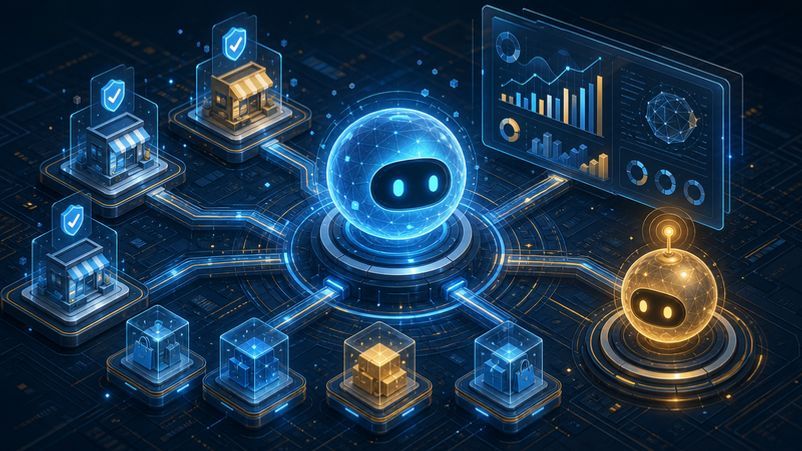
The founder of the Chiefmartec blog and co-author of the annual marketing technology landscape maps identified three categories of AI agents reshaping the industry: Agents for marketers that create campaigns, analyse audiences and automate workflows; agents for customers, such as business-operated service chatbots; and agents of customers, which consumers control themselves.
The third category presents a fundamentally different challenge for businesses accustomed to managing the channels through which they reach customers.
Brinker pointed to changing behaviour around ChatGPT, Claude and Google search as early evidence of the shift, with emerging consumer agents potentially extending their activities beyond information retrieval into broader engagement with businesses.
The implications could reach well beyond search. Brinker identified the integration of AI agents into email management as another development likely to change how businesses communicate with consumers.
"Which, if you're an email marketer, is definitely something that's going to change your life," he said.
He also flagged the recent emergence of Meta's new Muse agent as one of the more notable examples, and said to expect a lot of innovation around the concept. "Let's be clear, these are all still very early. But if you're interested in what the future's going to look like – and by the future I mean maybe as soon as next year – customers will actually start delegating their agents to do more and more of the engagement for them.”
Difficult questions
The prospect raises difficult questions for businesses that have spent decades investing in search rankings, website experiences, email marketing and customer data systems to influence purchasing decisions. As AI intermediaries assume more responsibility for customer research and engagement, brands could struggle to understand which interactions influence purchasing decisions or how effectively their marketing investment is working.
Brinker cautioned that consumer-controlled agents remain at an early stage, although he suggested the technology could advance rapidly enough for customers to begin delegating substantially more interactions as soon as 2027.
The marketing technology industry is already responding, with vendors developing tools to help businesses improve their visibility in AI-generated answers. Brinker flagged that the sector is still to settle on the basic lexicon, describing answer engine optimisation (AEO) and generative engine optimisation (GEO) as two names for essentially the same discipline.
"We like them so much we came up with two different acronyms for the same thing," he said.
However, he questioned whether marketers risk repeating some of the excesses of traditional search engine optimisation as they embrace the new discipline. "Before we get carried away with this AEO adventure, I think we should just take a moment and ask ourselves: Did we take the SEO thing a little bit too far?"
Brinker's broader argument places the discovery challenge within a significant transformation of marketing technology, as AI increasingly operates across existing applications and businesses reconsider how their systems, data and processes support automated decision-making. He argued established marketing platforms, including data warehouses, automation systems and content management technologies, would remain important as the industry moved towards more flexible AI-driven interfaces and workflows.
That transition would also require businesses to improve what the industry calls "context engineering", the process of providing AI systems with the relevant information, instructions and permissions needed to operate effectively.
For CMOs, the emerging challenge extends beyond making brands visible in AI-generated recommendations. It raises questions about how businesses maintain their influence over customer discovery, measure the commercial impact of marketing and adapt their technology investments as consumers gain increasingly sophisticated tools to act on their behalf.