‘Give the world a hug’: Oura CMO Doug Sweeny on shunning AI-generated creative, betting on human craft and taking smart rings beyond the fitness crowd
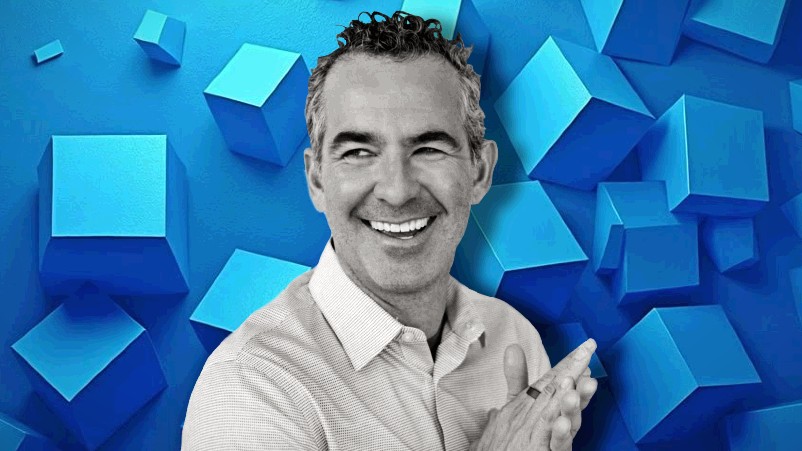
Better put a ring on it: Doug Sweeny, CMO, Oura
To persuade more people to wear its tech-packed smart ring that tell wearers what their bodies are up to, Oura has given generative AI the finger. Instead, it enlisted 35 modelmakers and 14 hand dancers to bring a miniature city to life in an extravagantly human-made global brand campaign. CMO, Doug Sweeny calls the idea "high risk, high reward". Fingers wandering around miniature streets is a fairly eccentric way to sell health technology. But behind the whimsy lies some serious commercial ambition. Oura wants to break out of its fitness niche, build a brand consumers recognise at a glance and convince a much broader audience that another wearable deserves a place on their body, even if there's already a smartwatch on their wrist.
What you need to know:
- Oura has deliberately shunned generative AI for its latest global brand campaign, 'Wear Your Best Life', betting that human creativity and craftsmanship will help the smart-ring maker stand out in an increasingly AI-saturated advertising market.
- Oura CMO Doug Sweeny describes the campaign as "high risk, high reward". The company enlisted 35 modelmakers and 14 hand dancers to create a miniature world populated by walking fingers, bringing an unusually quirky idea to life.
- There is serious commercial ambition behind the creative gamble. Oura wants to move beyond fitness enthusiasts and establish itself as an everyday health brand, appealing to consumers interested in sleep, stress, resilience and longevity.
- The campaign is designed to build brand love and recognition, while more tactical advertising drives consideration and sales. Australia is among the markets receiving the global campaign across broadcast, streaming, digital and out-of-home media.
In today’s world, we all see the improvement of AI, where it does trick your eye, where you’re having a hard time discerning [what's real], which is why we wanted to do the behind-the-scenes and show the level of craft that it took to actually make this little mini city. And how we did this with real humans, I think it was really important to us.
Smart ring manufacturer, Oura has shunned generative AI for its latest global brand campaign, gambling that real hands, elaborate miniature sets and an unusually quirky creative idea can help the smart-ring maker win over a broader market of health-conscious consumers.
The campaign, 'Wear Your Best Life', turned hands wearing Oura rings into characters navigating a bustling miniature city, with scenes depicting work, exercise and everyday pursuits. Launched in early October in markets around the world, including Australia, the film represents something of a counter narrative – a deliberate departure from the increasingly widespread use of generative AI in advertising production.
Chief marketing officer, Doug Sweeny acknowledged the concept was a creative gamble. A cast of fingers walking through a miniature world could easily have become too peculiar or gimmicky to connect with consumers, but the company was convinced the idea could make its advertising distinctive while reinforcing the human connection at the heart of its health proposition.
He told Mi3, "As a health brand, we’re committed to real data, real bodies, and real life. So there is a humanity that we wanted to portray there. This is one of those ideas that it’s sort of high risk, high reward. It is a risky idea. How do you do this in a way that doesn’t come across a little goofy, a little quirky, a little left of centre, and doesn’t connect with people?
“We’re very focused on people, we thought it was really important that we make this world, and so we used real people’s hands versus AI. In today’s world, we all see the improvement of AI, where it does trick your eye, where you’re having a hard time discerning [what's real], which is why we wanted to do the behind-the-scenes and show the level of craft that it took to actually make this little mini city. And how we did this with real humans, I think it was really important to us.”
The miniature world was built at one-tenth scale by 35 modelmakers in Prague, while 14 hand dancers brought its inhabitants to life. Practical effects include illuminated subway cars, remote-controlled vehicles and working water features. Oura has also released behind-the-scenes footage demonstrating the craftsmanship involved, particularly as increasingly convincing AI-generated imagery makes it harder for consumers to distinguish synthetic scenes from real ones.
But the decision to use real performers and physical sets while depicting people living their everyday lives was fundamental to the campaign's message, Sweeny said.
The work was developed by Oura's internal creative team, led by head of creative, Matt Kipper, and New York agency, Nice&Frank, which has worked with the company for about two years. The campaign also extends a distinctive visual identity established in last year's 'Give Us the Finger' campaign, using the hand as a creative asset.
The earlier campaign played on the sense of kinship among ring owners who recognised the device on someone else's hand. The latest advertising extends that idea through humour, familiar expressions and small visual details, including palm-reading references scattered throughout the miniature streetscape.
Sweeny said Oura applied the classic advertising test of whether another brand could substitute its logo without undermining the creative. Its position on the finger gives the company a recognisable characteristic that can anchor successive campaigns.
“When you go to the hospital, the first thing they do is check your vitals off your finger. It’s incredibly precise. So that’s ownable for us. The idea is ownable. I think with ‘Give us the finger’, we were doing two things there. There’s the tribalism within the product that, if you know, you know. People ask, ‘Is that an Oura ring?’ They’re talking about it, and there’s a kinship in terms of that."
Instead of just focusing on the 28-year-old yoga person or runner, ‘Give us the finger’ was also a deliberately broader play to show people living their best lives.
According to Sweeny, Health is personal. "We wanted to show all of humanity here, and thought that this is an area that’s ownable.”
Oura is rolling out the campaign across broadcast and streaming television, digital channels and out-of-home advertising in Australia, supported by more tactical campaigns targeting Black Friday shoppers and the holiday gifting market.
Wider market
The creative strategy reflects a larger commercial ambition to expand Oura's appeal beyond the fitness enthusiasts traditionally associated with wearable technology. Sweeny said he wanted the company to be recognised for its broader health proposition, including sleep, stress, resilience, women's health and cardiovascular wellbeing.
He characterised wearables pioneer Fitbit's emphasis on step counting as an earlier generation of wearables, positioning Oura as a more comprehensive health companion that can interpret information collected from the body.
"It's quiet tech. It kind of falls into the background," he said, contrasting the discreet ring with screen-based devices that compete for consumers' attention throughout the day.
That positioning potentially opens the company to customers with widely different health needs. "My 82-year-old mom wears and loves the product, and we have 28-year-olds who are wanting to track their cycle, or a 40-year-old guy who’s looking to increase his cardiovascular age. It sort of crosses all demographics, given its wellness and health focus."
It also changes the competitive relationship with smartwatches. Sweeny said upwards of 50 per cent of Oura members also own a watch, including Apple Watch or Garmin devices, which they may use for communication, timekeeping or other purposes while relying on the ring for health information. He did not provide supporting figures or the period covered by the estimate.
For Oura, the commercial challenge is making the technology relevant to those broader audiences without losing the product's distinctive identity. Sweeny said the company's advertising follows different objectives, with product campaigns explaining innovation and technical features while 'Wear Your Best Life' concentrates on awareness, affinity and emotional connection. Sweeny described the work as a product advertisement wrapped in a broader brand campaign, allowing Oura to build an emotional connection while keeping the technology central to the message.
"We want to ... give the world a hug, if you will," he said, describing the emotion the company hopes to create around its brand.
The company measures its brand advertising against awareness and engagement goals, while more tactical campaigns address the features, scientific capabilities and benefits consumers consider before buying. Sweeny described the response to the latest campaign as highly positive but did not disclose brand-lift results, engagement figures or evidence of its impact on sales.
In terms of Australia's advertising investment, Sweeny said it reflected Australia's strong interest in health and wellness, while additional advertising around Black Friday and holiday gifting will target consumers closer to making a purchase.
That combination of emotional storytelling and practical product information is particularly important for what Sweeny describes as a considered purchase. He said customers can have seven to 10 contacts with the brand before buying, as they evaluate price, features, sizing, colours and competing products.
Discoverability
Oura is also adapting to AI-powered product discovery. “We’ve brought on-board a partner to help us on the search side, agentic search side, and how are we performing there? It’s still, I would say for us, a relatively small part of our search today, but it's growing exponentially," Sweeny said.
"We put out in a given week one to three blogs. We’re constantly publishing content. We’re constantly talking to people about our story, about the product, or sports marketing, or our brand campaigns, whatever that may be."