Information is cheap. Commercial judgement isn't
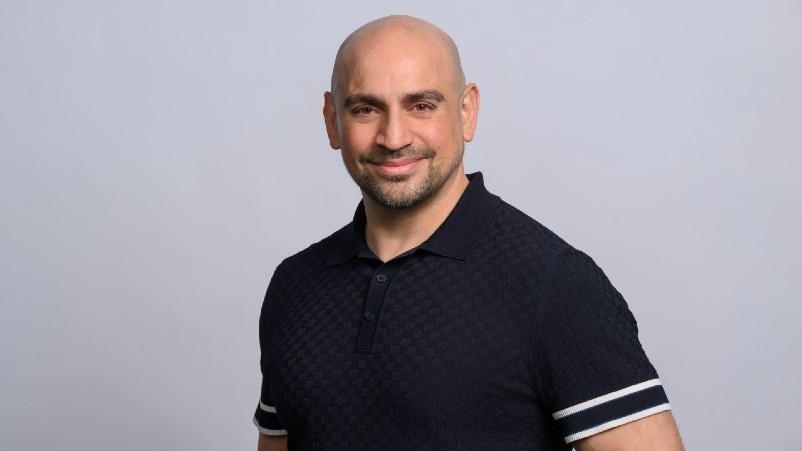
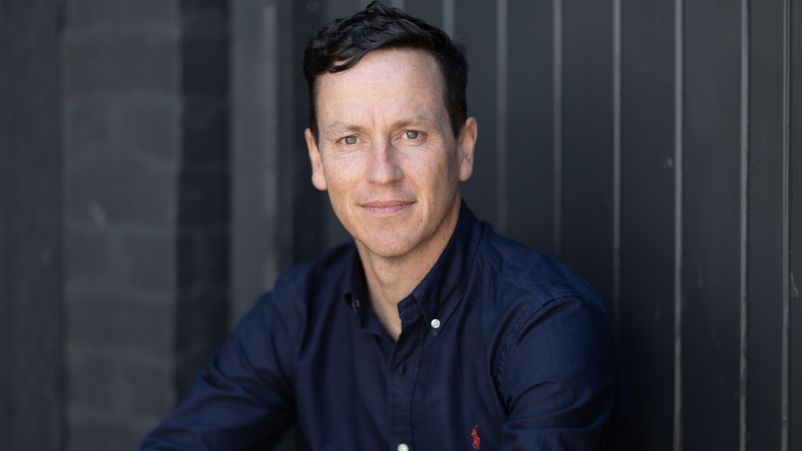
AI has made marketing analysis extraordinarily fast. Customer data can be interrogated, competitors analysed, media activity assessed and market opportunities explored in a fraction of the time it once took. But that doesn't mean marketing strategy has suddenly become easy, nor can the agents tackle the direct accountability required to make it succeed, argues Dwayne Birtles, marketing and growth consultant, and former CMO of TripADeal and marketing and comms head for Flight Centre.
We’re witnessing an interesting change to what happens when an experienced marketer can access analytical capability that historically required a much larger team and longer timeframe. Information has become quicker and cheaper to produce, but someone still needs to know what to look for, what questions to ask and, ultimately, what the business should do with the answer.
Take recent business news, which has been filled with updates on KPMG's planned 400 job cuts. Going a little deeper, however, there’s an interesting number worth recognising and reflecting on. KPMG’s consulting revenue fell 17 per cent, even though total revenue has barely moved (down just 1 per cent to $2.26 billion). That result doesn’t prove AI alone caused the decline; KPMG also point to softer market conditions and a continued reduction in government use of consultants.
That gap between total revenue and the consulting division of KPMG is what has me most interested. What it tells me: Businesses still need expertise, but they are changing the lens they look through and what they’re willing to pay for.
For a long time, businesses were happy to pay a premium for things that weren’t easy to access, like market research, initial modelling and hypothesis testing, competitor research and a very beautiful strategy deck at the end. This is now much cheaper and faster to produce. Leadership within KPMG acknowledges AI is reshaping the sector and the way these services can be accessed and delivered.
Long before generative AI existed, I shared the same frustrations: Why are we paying a fortune when the work is being done several levels below the partners or executives who sold it to us? AI has made this exact frustration almost impossible to ignore.
Yet as information becomes cheaper, experienced judgement becomes even more valuable.
Marketing impact
I’m seeing this play out directly in marketing.
I’m currently working with a travel business to identify where there are opportunities to accelerate growth in the Australian market. That means looking across customer data, market demand, competitor activity and media behaviour to identify where the business has opportunities to attack.
We can look at where valuable customers are coming from, where there may be geographic or customer opportunities we aren’t fully capturing, what competitors are doing and how their media activity is moving. We can then look at the media market itself and where there may be opportunities to reach those customers more effectively.
Historically, getting through that breadth of work at speed would have required a fully fledged media agency or team of analysts working underneath a senior marketing executive.
AI has fundamentally changed how I can do such work. I can use it as analytical support to move through large amounts of information quickly, investigate questions as they emerge, and go considerably deeper without other human help.
But what hasn’t changed is how critically important it is I still know what we need to look for.
There are some key questions here: What do I want to understand about the customer? Where should I look for market opportunity? What are competitors doing differently? Where are they increasing or reducing their media presence? Is there a customer, geographic or media opportunity we should be attacking? And does what we’re seeing actually represent a commercial opportunity for the business?
The strategy is then built through experience.
The other important change is who the business is working with. They aren’t dealing with me at the beginning, then having the work passed down through layers of junior staff. They’re dealing directly with me through the analysis, strategy and execution. I’m working with the internal marketing and digital teams, briefing activity, dealing directly with media partners and helping make the decisions that come from the work. That is a very different model to what was historically required.
The proof for me is that clients have stayed and new businesses have come on. A key selling point for them: They deal directly with me from start to finish. I’m in the data, developing the strategy, briefing the work and dealing directly with media partners, contractors and internal data, sales and operations teams. I stay around to see whether it actually worked.
AI does not own the commercial outcome and its job is not on the line as a result. This judgement comes from making real calls, in real situations, with real money.
Accountability and actionability
There is a big difference between someone who can interpret a market and someone whose job is on the line. That person has to decide where money is invested, which media channels get cut, whether a particular tech platform gets renewed or replaced, which agencies to use and what those agencies should actually do. Importantly, the person making those calls should still be sitting in the room, sharing the findings with executives and reporting whether it worked.
The metaphorical hospital pass from a consulting firm to the people actually working in the business to roll out its recommendations is becoming easier to see and businesses are becoming less willing to accept that pass.
AI can help with this. I use it myself. But AI does not own the commercial outcome and its job is not on the line as a result. This judgement comes from making real calls, in real situations, with real money.
I spent a long time on both the client and media sides, buying media and working within media and partnering with research agencies, tech companies and large consulting firms brought into the businesses I’ve worked in. I’ve seen the flashy decks, the frameworks, the theoretical models.
So now I am on the other side of the table, selling expertise myself. The work required isn’t really difficult to explain: Understand the problem, get intimate with the data, work out where the biggest upside is, make a decision, assign resources to it and, importantly, measure what happened and pivot accordingly. Simple when written down, much harder to do well.
I can tell you now, businesses don’t need another framework. In most situations, they need someone who has actually done the job before, sits close to the decisions, helps inform those decisions and remains accountable by staying to see the result.
There’s now another model that’s absolutely viable and needed, and it buying expertise directly from people with real experience and the battle wounds to prove it. Give them open access to everything as if they’re an extension of the team. They cannot be advisers who come in, charge a fortune and aren’t there to see it out. Let them make changes alongside the executive team. Then see what actually changes in the organisation.
Consulting isn’t going anywhere. Information is now cheap and quick. But hard-earned experience, actual execution and accountability are still what businesses are asking for.
- Dwayne Birtles is the CEO and Founder of consultancy firm, SEAM. Prior to setting up his own consultancy, he was CMO of TripADeal for three years. His resume also includes senior marketing, brand, media and communication roles with Flight Centre Travel Group, plus commercial, digital and data roles with News Corp Australia and Xcom Media.