Platinum Partner
Gold Partners
Deep Dive 11 Jun 2026 - 6 min read

16 CMOs weigh in on 7 misconceptions still persisting around their roles – versus what the job’s really about

By Nadia Cameron - Publisher | Editor - Marketing

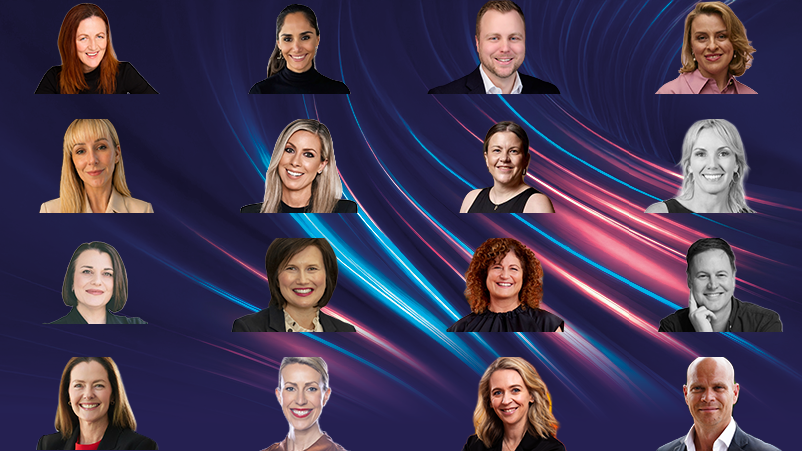
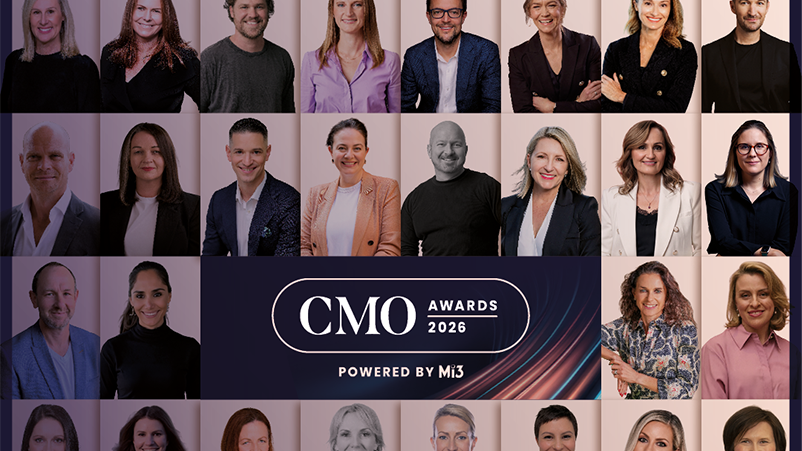
There are a lot of myths and misconceptions that continue to persist around the marketing leadership role and remit, not least that it’s all about the ads and campaigns. Here, 16 of this year’s CMO Awards winners and finalists for CMOs of the Year, from travel and tourism to FMCG, telco, digital and retail, share some of the bugbears they still see and what their roles are really all about.

Marketers are ads and campaign people

Amaysim CMO, Pete MacGregor agrees there’s a persistent perception of marketing leaders as the “ads and brand” people. “That’s a small fraction of the role, maybe 5 per cent on a good week,” he continues.

“The reality is the role has evolved into two core responsibilities: Driving growth [customers and people], and being the voice of the customer across the business. My remit spans sales, digital [Web, App and product], customer value management, customer experience, and insights across multiple brands. Campaigns are just one lever. A big part of my time is spent working cross-functionally, helping align priorities and steer the business alongside my peers. If you’re only focused on advertising, you’re missing where growth really comes from.”

TAL GM consumer and growth, Alexis Denby, has also had plenty of experience of this boxing in. “There’s a persisting view for sure that CMOs and their teams are deep experts in advertising, and advertising alone. What’s not so well-known is the breadth of the CMO role,” she says.

“We’re customer champions, we’re growth drivers for our businesses, and we’re often deeply across the product, pricing, risk, legal and technology aspects that are critical to ensuring we evolve with our customers. I think there’s value in more organisations understanding this about CMOs and their teams, and the commercial and broad role we can play to better meet the needs of customers and deliver strong business outcomes.”

For Michael Hill CMO, Jo Feeney, what compounds the issue is the fact the creative and campaigns are visible, while most of the work is not.

“Our true mandate happens behind the scenes: Developing the end-to-end customer experience, predicting and shaping demand, and driving sustainable commercial growth,” she says.

Marketers have massive budgets

Tourism Australia CMO, Susan Coghill, points to the old chestnut that every marketer with a high-profile brand must have a super-huge marketing budget.

“The biggest misconception is that because we produce high-profile campaigns and work with celebrity talent, we must have massive budgets – I get asked about that all the time! We don't,” she says. “Spread across 16 markets and multiple segments, the reality is more modest than people imagine. What we do have though is a rigour around maximising every dollar, a belief that creativity drives outsized impact, and we’re so lucky to have access to some of the most well-known and well-loved talent in the world who are genuinely proud to help tell Australia's story – looking at you, Robert Irwin.”

Marketers are celebrity worshippers

Hand-in-hand with this is the idea marketers are spending all their time making ads with celebrities. That’s one for Uber head of marketing ANZ, Nicole Bardsley, who’s recently been the architect of Uber mobility’s campaign work, ‘Can’t Do That If You’re Driving’, featuring Shania Twain and Tom Cardy.

“The truth is a huge part of my role is shaping growth, helping the business make sharper commercial decisions about our brand and advocating for what our customers actually need,” she says. “But yeah I did also get to shake hands with Shania Twain.”

Marketers make creative first

Blackmores chief brand, innovation and communications officer, Joanne Smith, then brings in the concept of marketers meeting unmet consumer needs first, before any of the creative work comes along.

“Today’s CMO’s are most effective when they have a deep understanding of their business growth drivers and can lead growth at the intersection of insight, innovation, commercial strategy and culture,” she argues. “Creativity is critical yet the CMO role is not just to create campaigns that promote what the business already makes, but to identify unmet needs, influence portfolio direction, drive customer‑led innovation, and align the organisation around long‑term value creation. This includes stewardship of trust, data‑informed decision‑making, cross‑functional partnering and leadership, and translating the brand into measurable commercial outcomes.

“The most effective CMOs balance short‑term performance with long‑term brand health, connecting creativity with commercial discipline, ensuring the voice of the customer informs decisions at every level of the organisation.”

Marketers don’t use a long-term lens

University of NSW executive director of marketing and digital experience, Sofia Lloyd-Jones, positions her role as focused on shaping long-term strategy – and agrees that’s not historically how marketing has been perceived.

“I’m helping the organisation decide where to play, how to grow and when to pivot – building reputation and balancing risk to maximise brand, customer and revenue outcomes,” she comments.

She’s joined in this chorus by Wesfarmers Health GM of marketing, Corrina Brazel. “In reality, the role is about driving enterprise growth – shaping demand, unlocking new revenue streams, influencing customer behaviour, and aligning multiple stakeholders and priorities to deliver measurable business outcomes,” she says.

Beiersdorf GM marketing, ecommerce and digital, Kate Hensley, is equally strident about modern marketing as an “enterprise growth function”.

“It’s about understanding consumers deeply, making investment trade-offs, shaping commercial strategy, and connecting brand, demand, and revenue outcomes. Advertising is only one lever – the real value comes from how marketing integrates insight, data, resources and execution to drive sustainable growth,” she says.

Without doubt, marketers still struggle as a discipline being underestimated as a growth driver in business, agrees Reflections Holiday's CMO, Pete Chapman. "As CMO with full top-line revenue responsibility [marketing, customer, digital, revenue] my role is to ensure we're making budget now, next year and in five years' time. I'm not sure that's fully understood," he says.  

With responsibility for pursuing growth inevitably comes a commitment to making the business uncomfortable and pushing for change, adds Diageo GM marketing and innovation, Sarah Shimmons.

“There’s this misconception marketing is about making things look good. It’s actually about making the business move. Often through uncomfortable choices, to force growth,” she says.

That doesn’t mean marketers have all the answers all of the time, however. Swinburne University executive director of future students and marketing, Chris Lewis, says he’s constantly coming up against the idea that influence in the role “comes from certainty – or a crystal ball”.

“Most of it comes from relationships, understanding how the organisation really works and being comfortable making disciplined calls when things aren’t clear cut or are evolving at pace,” he argues.  

Marketers operate downstream

Movember CMO, Natalie Davey, says there’s this persistent – and inaccurate – belief she’s downstream of business strategy, not upstream of it.

“Brand and marketing sit at the intersection of the most important questions in any organisation, who we are, what we stand for, how do we know it’s working. At Movember, those questions carry weight when your ambition is to be the global leader in Men’s Heath. My role is to create the right environment, structure and conditions for that ambition to scale,” she says.

Hear Hear, says Voyages Tourism Australia CMO, Ana Sofia Ayala, who says there’s this persistent belief that marketing sits on the edges of the business.

“In reality, my role sits right at the centre, shaping demand, influencing pricing, distribution and product, and ultimately delivering commercial outcomes,” she comments. “In our business, it also means ensuring what we take to market is developed with integrity, in partnership with Traditional Owners, not just for speed or scale.”

Former Total Beauty Network CMO, Amanda Connors, is another who knows her job is about driving commercial growth.

 “Marketing is no longer a department  it’s the engine room of the brand and a core contributor to business value,” she says. “The most forward-thinking organisations understand that business strategy and brand strategy cannot sit apart. Removing that divide and aligning the organisation around a marketing culture understanding that customer value is what creates meaningful differentiation, builds brand equity as a measurable asset on the balance sheet and delivers long-term commercial growth.

“Marketing must shape how the business operates, influencing products, services, people, pricing, channel, distribution, customer experience and culture. That’s how I’ve always led. Not as the head of marketing, but as a brand growth architect.

“At its best, marketing becomes an organisational mindset, where every employee understands their role in strengthening customer relationships, building sustainable competitive advantage, and delivering long-term commercial growth.”


Marketers are experts in every aspect of their functional discipline

With such broad remits now being a reality for CMOs, it doesn’t follow that a CMO is an expert in everything under them, says Intrepid CMO, Hazel McGuire. But that’s another misconception she identifies.

“With responsibility spanning brand, digital, sales and support, PR and comms, insights and product, that’s neither realistic nor effective,” she says. “The real value of the role sits in strategic orchestration: Building exceptional teams, connecting disciplines, removing roadblocks, and shaping a clear future vision. My job is less about knowing everything, and more about bringing the right thinking together so the organisation moves forward with focus and momentum.”

Unicef CMO, Libby Hodgson, is taking a similar approach. “Getting the right team with the right capabilities, and creating an environment where great work happens – this is where I see my role and if I can do that the marketing wins follow,” she adds.

What do you think?

Keep Reading

Deep Dive 3 Aug 2026 - 8 min read
Listen to the Podcast  
Deep Dive 27 Jul 2026 - 7 min read
Listen to the Podcast  
CMO Awards 26 23 Jul 2026 - 7 min read
 
Industry contributor 29 Jun 2026 - 7 min read
 
By Mitch Hunter - Group strategy director, Leo Australia
Video Q&A 16 Jun 2026 - 5 min read
 
Video Q&A 12 Jun 2026 - 5 min read
 
Deep Dive 11 Jun 2026 - 6 min read
 
Video 10 Jun 2026 - 4 min read
 
By Nadia Cameron - Publisher | Editor - Marketing
Video Q&A 10 Jun 2026 - 11 min read
 
Video Q&A 9 Jun 2026 - 4 min read
 
Video Q&A 8 Jun 2026 - 5 min read
AMI CPD: 
 
Deep Dive 4 Jun 2026 - 9 min read
Listen to the Podcast  
Analysis 3 Jun 2026 - 7 min read
 
Deep Dive 26 May 2026 - 7 min read
Listen to the Podcast  
CMO Awards 26 13 May 2026 - 4 min read
 
CMO Awards 26 13 May 2026 - 6 min read
 
CMO Awards 26 7 May 2026 - 3 min read
 
Partner Q&A 7 May 2026 - 6 min read
 
Deep Dive 7 May 2026 - 6 min read
 
Deep Dive 5 May 2026 - 7 min read
Listen to the Podcast  
Partner Q&A 4 May 2026 - 5 min read
 
Search Mi3 Articles