Bridging the gap between marketing and IT
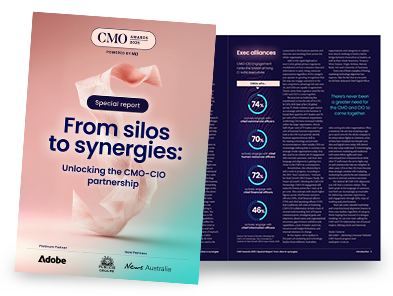
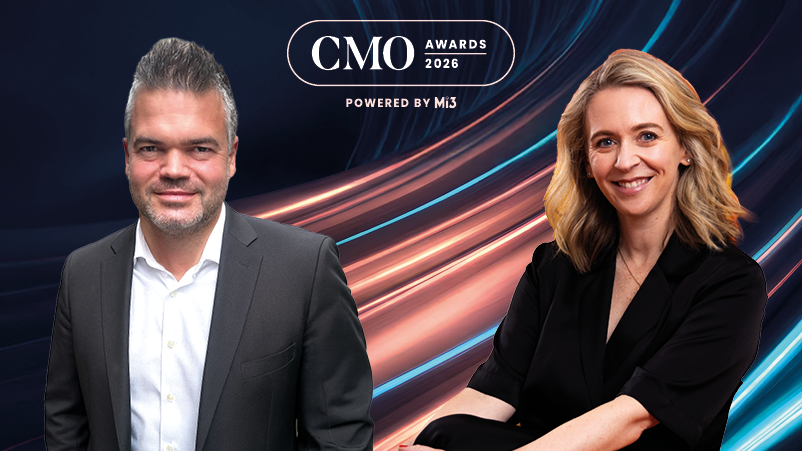
Things weren’t so harmonious between marketing and tech when Whitney arrived at Treasury two-and-a-half years ago, however. In the new CMO Awards special report, From Silos to synergies: Unlocking the CMO-CIO partnership. available for download here, Whitney and Keyte, along with CMOs and CIOs from Virgin Australia, IAG, University of Tasmania and Beyond Bank, share how they’re finding a way as leaders and functions to better collaborate for business and customer success.
It's never been more crucial for marketing and IT to work together. Yet getting marketing and technology functions to collaborate proactively and well together remains a stubbornly persistent problem in many organisations. Last year’s Tata Consultancy / Institute for Real Growth Impact study, The Future of Growth: Unlocking the CMO-CIO Partnership found CMO-CIO engagement ranks the lowest in the c-suite (46 per cent), well behind CMO engagement with chief commercial officers (74 per cent), chief financial officers (72 per cent) and even chief human resources officers (70 per cent).
Among the roadblocks continuing to prolong disconnect include a lack of mutual understanding, misaligned goals and objectives, siloed teams and organisational structures, gaps between ambition and capabilities, a lack of respect and trust, resources and budget limitations, and internal resistance to change.
Whitney herself admits she’s still working to bust all the myths and notions she brought with her of what technology teams will and won't do, while learning the personas and different stereotypes within the organisation. But what she has gleaned personally, and subsequently been able to foster more widely, is a shared understanding of the complexity and risks involved in technology.
“I have a much closer understanding and appreciation of that. Because yes, I did come in with the assumption it surely can't take that long and it surely can't cost that much,” Whitney says, adding her first thought was just to halve the price tag of whatever tech was quoting for work internally.
“More than two years in, I would say, and I think my exec would agree, that I’ve really started to ask better questions and get better answers. The reason the tech team tends to go very conservatively on a cost and time estimate is because you don't have the right information to give you a better number,” Whitney explains.
“Rather than go with the ugly number, I just keep asking questions, and eventually you get a number that's much more realistic. In every single way, this has proven to be very successful. The tech team feels more informed and they're able to provide a number that they're not terrified of. And the fact we're asking all those questions means the business really gets to understand what they're asking for a lot more as well.
“We never take a request anymore at face value. We just keep asking the five whys until you finally get to the real nub of what are you looking for, then we work collaboratively to solve it.”