Platinum Partner
Gold Partners
Deep Dive 27 Jul 2026 - 7 min read

CMO Awards Podcast Episode 15: Going for growth: AAMI, Wesfarmers Health make the case for behaviour change – and win on commercial and consumer dividends

By Nadia Cameron - Publisher | Editor - Marketing

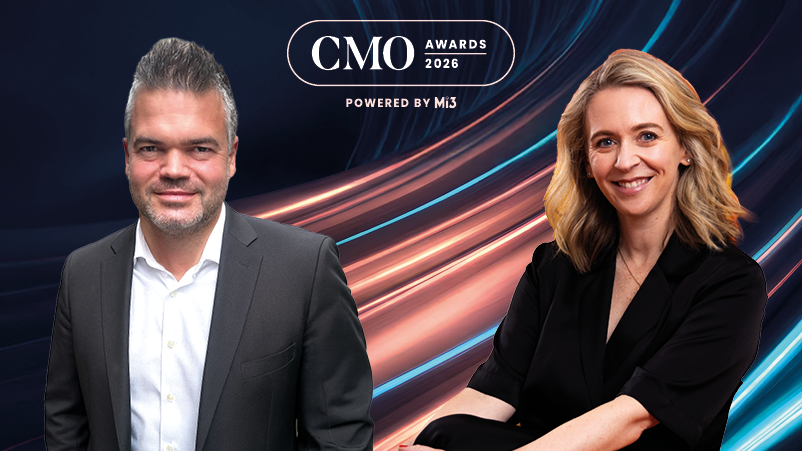
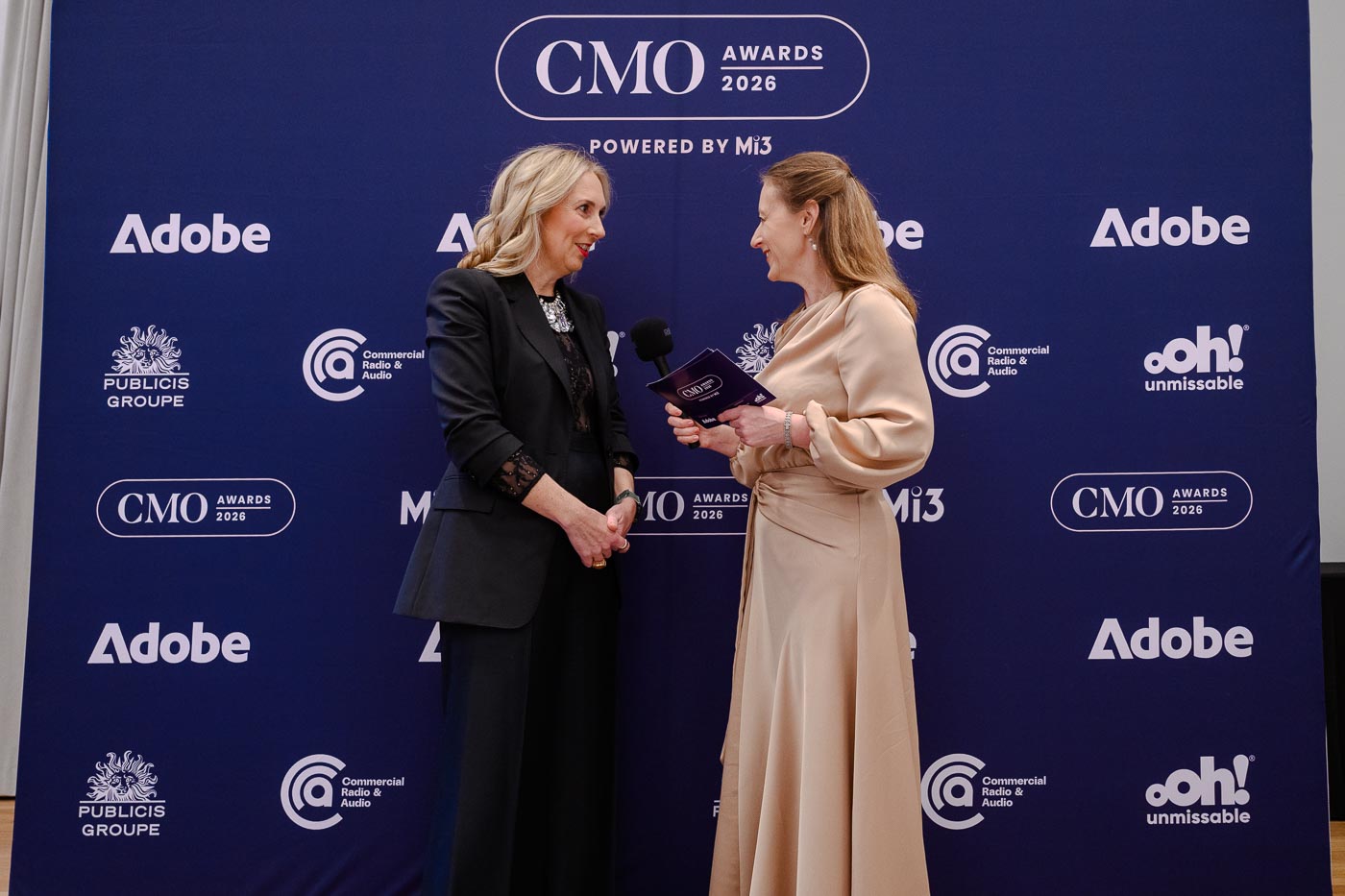
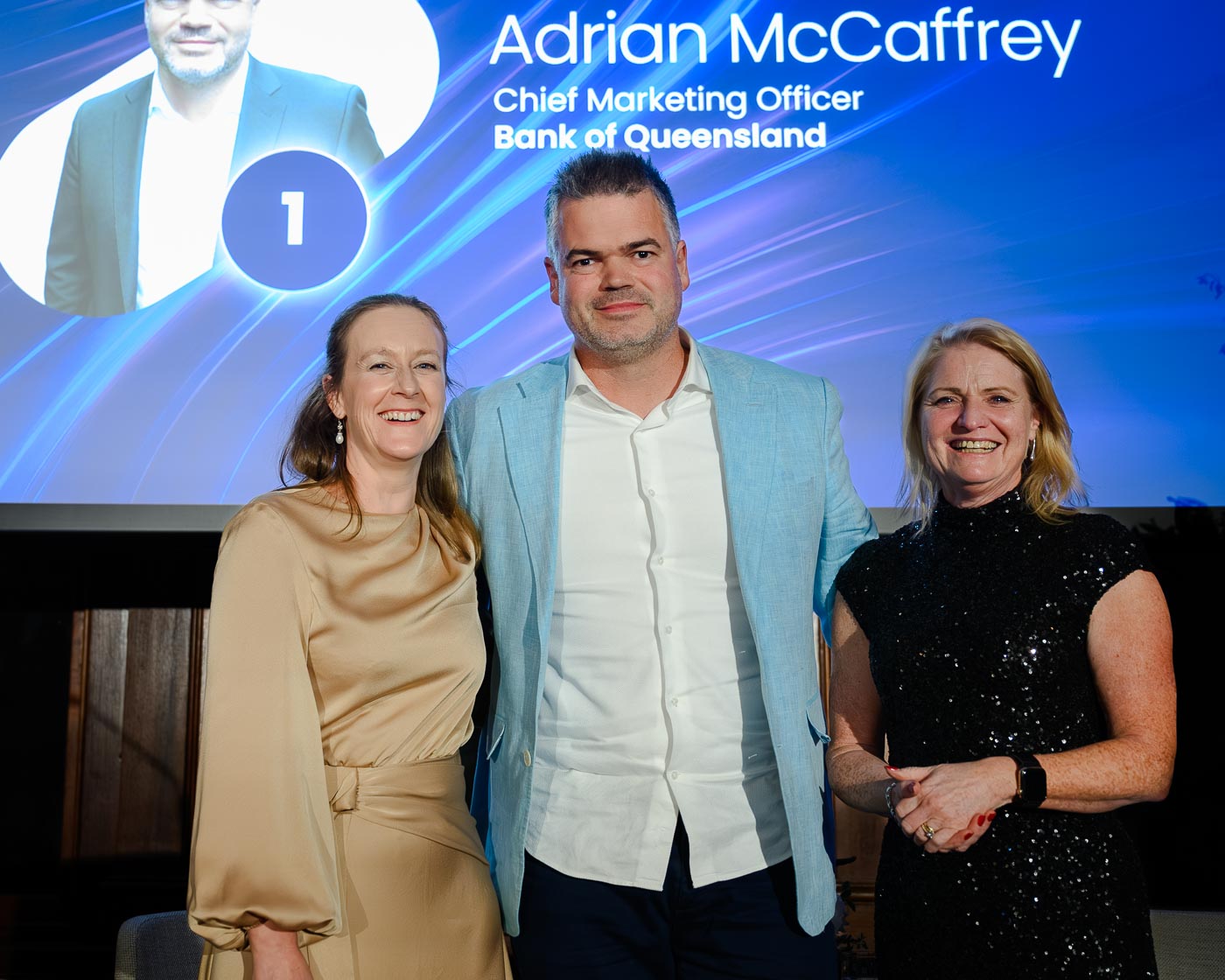
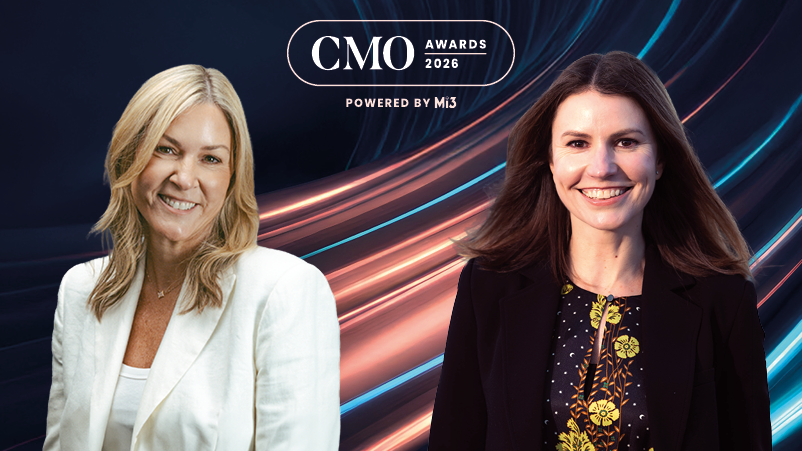
From left: Suncorp's Rapthi Thanapalasingam, Wesfarmers Health's Corrina Brazel, and Andrew May

“Campaigns end, but capabilities compound” is how AAMI head of brand and content, Rapthi Thanapalasingam explains this year’s CMO Awards Growth Initiative of the Year winner, the AAMI Driving Test. It’s also a belief shared by this year’s highly commended recipient, Wesfarmers Health’s ‘Anything Menopause’. Both are compelling examples of how a concerted push to drive behaviour change through cross-functional programs of work can pay off for the brands orchestrating them. Whether it’s the initial 134,000 app downloads, $4.2m in insurance claim reductions, 18 per cent lift in brand consideration or the $1.9m in premium revenue now expected, AAMI’s proactive efforts to instill safer driving on Australia roads is compounding business benefits. Meanwhile, Priceline has not only chalked up a 35 lift in pharmacist confidence to talk about menopause, it’s seen NPS and brand positivity uplift, a 63 per cent rise in dispensary sales, and 6 per cent penetration into its target demo of women aged 45-65 all from its efforts. In our latest CMO Awards podcast, we unpack both of these initiatives, as well as get the lowdown from one of our judges and former growth leaders on what it truly takes to realise net new growth in a market where it’s harder than ever to find it.

What you need to know:

  • This year’s Growth Initiative of the Year winner, AAMI Driving Test, and highly commended recipient, Wesfarmers Health’s ‘Anything Menopause’ program, were awarded by CMO Awards judges for being growth initiatives with the legs to fundamentally change a business's trajectory by delivering net new value, not just campaigns.
  • Both AAMI and Wesfarmers Health built initiatives around meaningful customer and societal problems, using deep insights to unlock new growth opportunities.
  • For Suncorp’s Rapthi Thanapalasingam, the big lesson is around focusing on capability, not campaigns. The AAMI Driving Test initiative used telematics and data capabilities to build a long-term asset that continues delivering value beyond the initial campaign.
  • It’s also a demonstration of marketing’s powerful role as the growth connector: While marketing can orchestrate growth, both AAMI and Wesfarmers Health point to sustainable results coming from aligning multiple business functions – from technology to governance, pharmacists, retail and other teams – to create long-term commercial value.
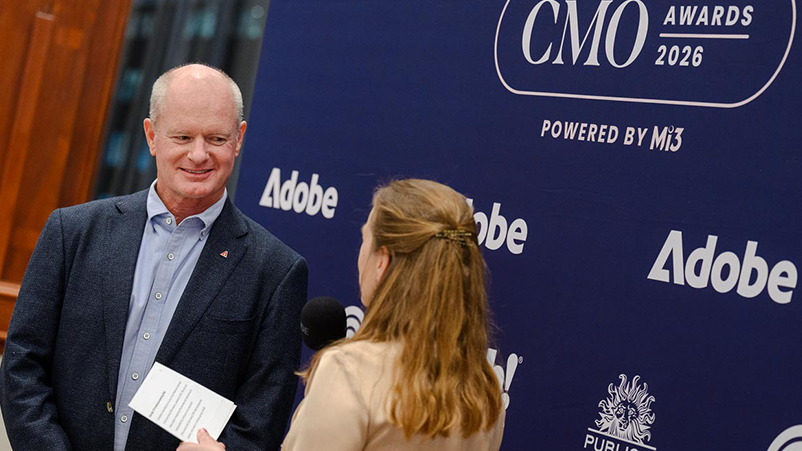
  • Per Growth Initiative of the Year judge and former V2 food chief growth officer, Andrew May, achieving net new growth means challenging established ways of working, driving organisational and customer behaviour change, and looking beyond traditional category boundaries.
  • For Wesfarmers Health’s Corrina Brazel, the ‘Anything Menopause’ program has also given marketing a new muscle, adding confidence and opening the door to new conversations internally.
  • The next frontier is behaviour change: Both organisations see future growth coming from embedding services into the customer experience that create lasting behavioural change rather than short-term awareness.
  • Tune into the full CMO Awards podcast episode here.

This year’s CMO Awards again set out to recognise marketing teams driving strategic growth for their organisations with our Best Growth Initiative of the Year Award, presented by Publicis Groupe.

Our 2026 winner? A driving test from the Suncorp team that set out to change behaviour and instil safer driving practices across Australian consumers, combatting a 42 per cent rise in motor claim costs and a 22 per cent lift in national fatalities. The AAMI Driving test not only achieved this ambition – so far, it’s reduced annual insurance claims by $4.2 million, 9 per cent above target – it also lifted brand consideration and engagement for the iconic red brand across customers and non-customers alike. And while it wasn’t the first objective, it’s now expected to generate $1.9m in premium revenue.

“Too often, growth is approached as a marketing or sales problem, focused on immediate volume, reach or conversion. The AAMI Driving Test reinforced that real growth really came from solving a meaningful business problem,” says AAMI head of brand and content, Rapthi Thanapalasingam, during the latest CMO Awards podcast, powered by Mi3. “By focusing on prevention first, we unlocked growth outcomes as a byproduct, including stronger engagement, brand consideration, and that premium revenue.”

In a similar vein, this year’s Highly Commended growth initiative, Wesfarmers Health’s ‘Anything Menopause’ program, was developed in response to a clear and urgent consumer, commercial and societal gap. Over 3 million Australian women experience menopause, with 85 per cent reporting symptoms. Despite this prevalence, stigma and confusion persist. Market analysis identified a $667 million menopause category, with at least one-third of that effectively unserved.

Adding weight behind such a program of work was the Australian 2024 Senate inquiry into women's health. “That really indicated to us women in this country were not benefiting from an education themselves about menopause, but also not benefiting from medical professionals having an education about menopause,” says Wesfarmers Health GM of marketing, Corrina Brazel.

A custom YouGov study also threw out some shockers: For one, more women knew Travis Kelce was Taylor Swift’s boyfriend than they knew facts about menopause symptoms. “That was really the core insight that drove us to the creation of the Anything Menopause platform.”  

Grounded in education and empowerment, the first step had to be knowledge uplift across pharmacists, Brazel says. Partnering with not-for-profit authority, Jean Hailes for Women’s Health, it has trained 3500 frontline staff, triggering a 35 per cent jump in confidence across staff discussing menopause with customers so far.

Commercial gains also ensued, including a 63 per cent increase in dispensary sales, a 6 per cent increase in penetration with the core target demographic of women between 45 to 65 years of age, and 13-point increase with standard Priceline shoppers.

“Given the topic at hand around menopause, if we’d just been chasing purely a transactional play, that could have gone very badly for us from a brand and reputation point of view. Because the real opportunity would have been completely missed,” comments Brazel. 

For Brazel, this is an initiative that’s equally generated a new type of confidence inside the marketing team.

“What ‘Anything Menopause’ has done for the marketing team is built a real level of capability and awareness and strength of conviction that I don't know they previously necessarily thought they had,” she says. “It's built a bit of a muscle we're now going to continue to use as we see what other platforms we may be able to get out there to drive more growth.”

What ‘Anything Menopause’ has done for the marketing team is built a real level of capability and awareness and strength of conviction that I don't know they previously necessarily thought they had. It's built a bit of a muscle we're now going to continue to use as we see what other platforms we may be able to get out there to drive more growth.”

— Corrina Brazel, GM marketing, Wesfarmers Health

How they found the growth opportunity

For Growth Initiative judge and former V2 Foods chief growth officer, Andrew May, these two examples stand out because they don’t talk to standard campaign metrics. They come from a position and ambition of behaviour change and compelling insight.

“It was really about where do they show broader business alignment, better capability, stronger customer experience, margins or reduced costs,” May says. “The growth isn't just coming from marketing alone. Marketing is, and always has been, a growth engine for strong businesses. Seeing where we can impact other areas is critical.”

In AAMI’s case, the Driving Test was not defined simply through acquisition, but through reducing claims, changing behaviour, and building engagement and strengthening brand relevance.

“An initiative of this scale is effectively an enterprise-wide transformation project, so we had to turn customer-only telematics into a national capability,” explains Thanapalasingam. “We had to completely redesign our established app experience, create entirely new onboarding journeys to allow non-customers to participate for the first time, introduce new lifestyle and behavioural data inputs, and build new cloud-based data infrastructure and pipelines. That required collaboration across marketing, product, technology, customer data, and digital teams.”

Supported by agency partners, Suncorp set up a dedicated cross-functional squad doing weekly sprints to ensure governance and work was in train. “We had to be in the trenches with all of those teams, and we had to do that over a six-month period to get this over the line.”

Governance also included a technology and data committee and an executive steering co- with regular data architecture reviews.

“We secured that executive sponsorship quite early because the initiative really required investment in technology and data capability,” Thanapalasingam adds. “We deliberately designed for scale and longevity, creating this future state data infrastructure that could support innovation across the app, but also our broader Suncorp ecosystem beyond the initial campaign.

“What I'm saying is, it wasn't just a standard marketing campaign. This was definitely a technical initiative that leveraged technology at its core at Suncorp.”

It was a similar story inside Wesfarmers Health. “We started by forming a working group, as this was not just a marketing opportunity,” says Brazel.

“We brought the entire business together at Wesfarmers Health, as we also have a number of different brands – we don't all just sit under the Priceline Pharmacy banner. It was about establishing what it was we wanted to achieve as a starting point and having that core vision. Because we knew education was that important unlock for us … the first thing we did was get Jean Hailes for Women's Health on board as a credible partner in this space.”

Then it was about highlighting to the different areas of the business what it was they stood to gain by getting involved in the ‘Anything Menopause’ program of work.

“Every area pretty much had their own little tick box they wanted filled off the back of this launching into market,” Brazel continues. “For our product teams, it was around how we make what we're doing more visible to the customer. Our Instant Scripts medical service had also launched a female-led doctor service for menopause consults and wanted to see increases there. So it was really about making sure we were all lined up around what everyone's objectives were.”

Getting the bulk of pharmacists and pharmacy team members trained gave Wesfarmers the momentum to then launch campaigns and activities in market. “In the medium term, it was about how do we drive engagement and then category growth and obviously customer acquisition once we had gone into market,” says Brazel.

“Longer term for us, the ambition here is really about how we create this as a leading platform. It is not a campaign for us. This is something we see as multi-year, hopefully never-ending. Because we want Priceline Pharmacy to be known as a destination for trusted menopause care and ultimately a leader in women's healthcare.”

We secured that executive sponsorship quite early because the initiative really required investment in technology and data capability. We deliberately designed for scale and longevity, creating this future state data infrastructure that could support innovation across the app, but also our broader Suncorp ecosystem beyond the initial campaign. What I'm saying is, it wasn't just a standard marketing campaign. This was definitely a technical initiative that leveraged technology at its core at Suncorp.

— Rapthi Thanapalasingam, head of brand and content, Suncorp

Defining success

So what sort of short, medium, and long-term horizons did our growth champions need to put on these programs of work and to define what success even looked like?

At AAMI, that first short-term milestone was app download targets. “It was as simple as that,” Thanapalasingam says. “Then it was website visits targets, plus participation in that platform at scale.”

Quite quickly, 134,000 app downloads were chalked up, with 7.3 million trips tracked across almost 100 million kilometres, exceeding targets by 34 per cent.

“Medium term, I would say it was improving high risk driver scores by at least five points. We put that as the target – mind you, we had never done this before, so for us, we said this is what we think is achievable in encouraging safer driver behaviour across that participant base,” Thanapalasingam says. “It was also about shifting perceptions of AAMI as a leader in road safety … There was this lovely spin-off result, which was brand consideration increased by 18 per cent among those exposed to the campaign.

“Long term, the ultimate objective was definitely reducing claims frequency. We know those who achieved a driver score of over 80 have lower claims frequency and lower claims costs, and we really wanted to build on a prevention-led insurance proposition.”

It did. So far, AAMI has experienced an estimated annual claims reduction of $4.2 million, 9 per cent above target. It’s also now estimated to have generated $ 1.9 million in premium revenue.

Over at Wesfarmers, the 35 per cent jump in frontline team confidence in discussing menopause has been a huge halo impact score. It’s also seen a 77 per cent year-on-year increase in the menopause category itself, including a 63 per cent increase in dispensary sales at the time of judging. Market penetration has been another win: Across women in this age group (45 to 65 years old), it’s had a 6 per cent increase in penetration. NPS is stronger in this cohort now as well.

“We’ve seen a 13-point increase on our standard Priceline shopper. So it's definitely one that we feel proud of because it's got that community and commercial impact,” Brazel says. “What has been a really gratifying thing to see is those numbers starting to come through in terms of confidence levels of our team members, which do continue to grow. But also, we're starting to get verbatim feedback from customers that have experienced this service in our stores and had these conversations, and that is also really wonderful for us to see.”

It's very rare that you'll see great growth coming from year-on-year activity unless there's some form of external factors that happen to line up. That's both cultural change in the organisation, but also behaviour change in customers and consumers. Both examples here have talked about that already. For me, the biggest growth comes from when you look outside of what's always been done. When you look at cross category things.

— Andrew May, founder, Parallel Perspectives

What growth is – and isn’t

In judging the Growth Initiative of the Year Award, CMO Awards judges were looking for examples of work that could fundamentally change the trajectory of the business. For May, both AAMI and Wesfarmers Health show how critical it is to be crystal clear on what growth is and isn’t.

“It’s about what genuinely create that net new growth, incrementality, and getting the businesses to think differently,” he comments. “Both of these examples have also talked about how they tapped into consumer and customer insights, more than just insight and talking about your own brand, but also cultural or societal impacts or challenges and things to think differently.

“Then when you look at the entries that really stood out for us, it was the ones that didn't talk about those standard campaign metrics, the ones we hear year-on-year. It’s really about where they show broader business alignment, better capability, stronger customer experience, margins or reduced costs, or reduced business costs.”

While marketing can orchestrate it, growth isn't just coming from marketing either. “Marketing is, and always has been, a growth engine for strong businesses by seeing where they can actually impact other areas,” says May.

“It's creating long-lasting commercial value that really puts marketing at the heart of the organisation.”  

What’s also evident is that growth by necessity comes with change. “It's very rare that you'll see great growth coming from year-on-year activity unless there's some form of external factors that happen to line up,” points out May. “That's both cultural change in the organisation, but also behaviour change in customers and consumers. Both examples here have talked about that already.

“For me, the biggest growth comes from when you look outside of what's always been done. When you look at cross-category things.”

Biggest learnings

For Thanapalasingam, the biggest learning is that growth isn't always about acquiring customers faster.

“Too often, growth is approached as a marketing or sales problem, which is focused on immediate volume, reach, or conversion. The AAMI Driving Test reinforced that real growth really came from solving a meaningful business problem,” she agrees. “Campaigns end, but capabilities compound. The biggest value came from us building an asset using our telematics and data capability that can continue creating value long after the campaign is over.

“We know growth increasingly sits at the intersection of all of the functions, not just within functions. So the strongest outcome would come when marketing was the connector to bring it all together.”

Neither was menopause simply a case of turning up the volume on existing activity. “It was really about how we do create a meaningful solve for a problem for customers,” says Brazel.

“As a growth initiative, it can’t just be won and done. It’s about how we evolve it to the next phase – what does additional training look at, nuances in that area … what are the other opportunities in this space for us to have a voice? We are leaning very heavily into the advocacy space here, working with our government relations teams and the pharmacy guild and seeing what’s possible for pharmacists and menopause care.”

Brazel also points to plans to launch a perimenopause symptom tracker, and says the team’s looking at how to better enable its menopause hub to be searchable for AI.

“We know there's a lot of momentum out there with the Government's recent menopause campaign and an $800 million women's health package. We want to continue beating the drum while there's so much noise in market,” she says.  

For Thanapalasingam, the next frontier is demonstrating how marketing can influence behaviour, not just perception.

“The next step is embedding these capabilities into the customer experience. So they’re not direct interventions but ongoing services the customer can actively use. Success looks like creating a long-term culture where safer driving becomes measurable, rewarding and self-sustaining. That’s the biggest impact we can have.”

Tune into this latest CMO Awards podcast as we unpack the nature of unlocking and pursuing these AAMI and Wesfarmers Health growth opportunities, and importantly, how it’s paying off.


What do you think?

Keep Reading

Deep Dive 3 Aug 2026 - 8 min read
Listen to the Podcast  
Deep Dive 27 Jul 2026 - 7 min read
Listen to the Podcast  
CMO Awards 26 23 Jul 2026 - 7 min read
 
Industry contributor 29 Jun 2026 - 7 min read
 
By Mitch Hunter - Group strategy director, Leo Australia
Video Q&A 16 Jun 2026 - 5 min read
 
Video Q&A 12 Jun 2026 - 5 min read
 
Deep Dive 11 Jun 2026 - 6 min read
 
Video 10 Jun 2026 - 4 min read
 
By Nadia Cameron - Publisher | Editor - Marketing
Video Q&A 10 Jun 2026 - 11 min read
 
Video Q&A 9 Jun 2026 - 4 min read
 
Video Q&A 8 Jun 2026 - 5 min read
AMI CPD: 
 
Deep Dive 4 Jun 2026 - 9 min read
Listen to the Podcast  
Analysis 3 Jun 2026 - 7 min read
 
Deep Dive 26 May 2026 - 7 min read
Listen to the Podcast  
CMO Awards 26 13 May 2026 - 4 min read
 
CMO Awards 26 13 May 2026 - 6 min read
 
CMO Awards 26 7 May 2026 - 3 min read
 
Partner Q&A 7 May 2026 - 6 min read
 
Deep Dive 7 May 2026 - 6 min read
 
Deep Dive 5 May 2026 - 7 min read
Listen to the Podcast  
Partner Q&A 4 May 2026 - 5 min read
 
Search Mi3 Articles