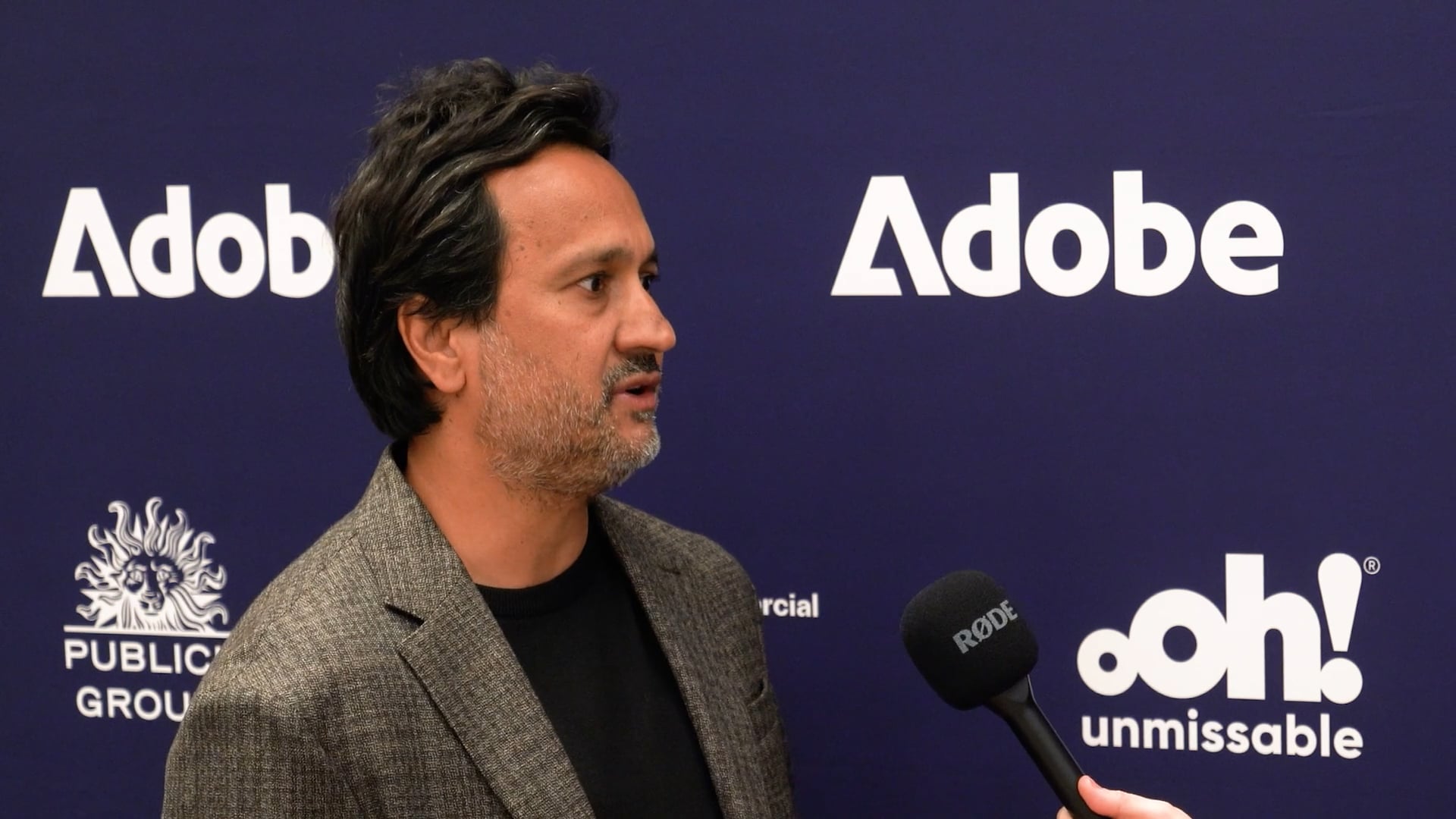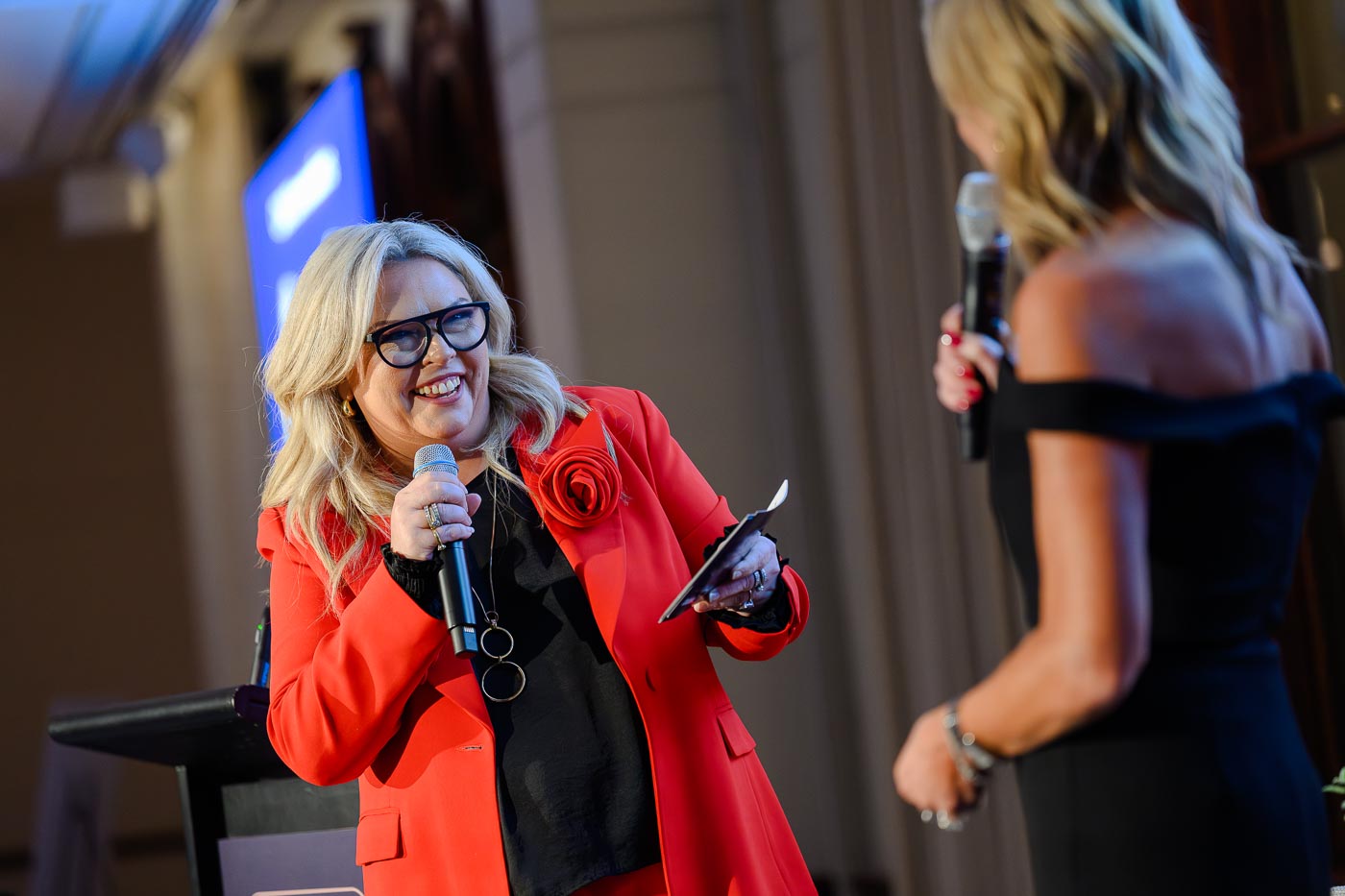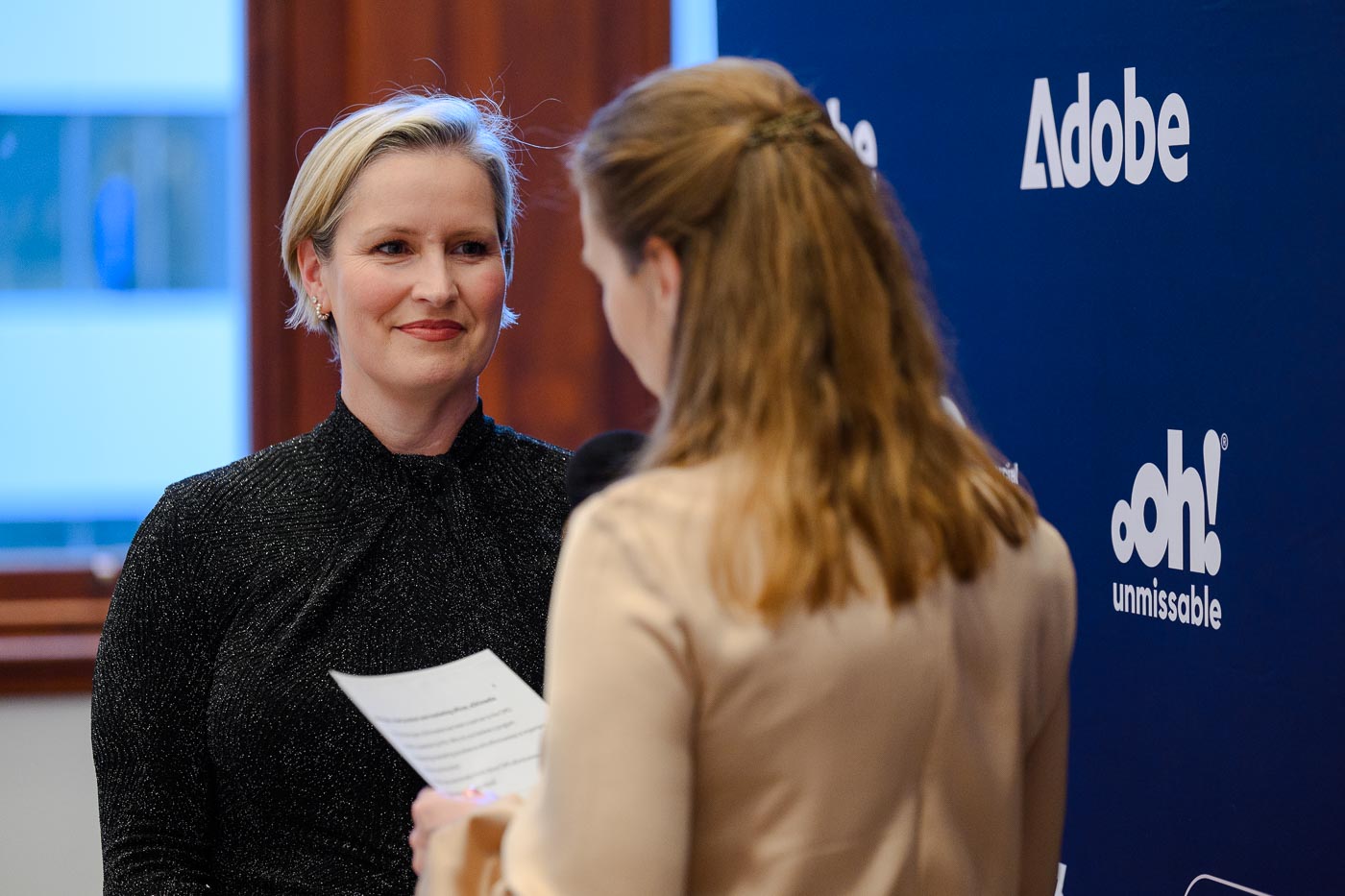



CMOs of the Year 2026 #25: Jeremy Weiss

Agile marketing leadership means different things to different people, but in Jeremy Weiss’ case, it’s what enabled his team to take advantage of an unexpected request from Metallica’s management to promote blood donations as part of their Australian tour. The results were huge: 52 per cent uplift in donations, 10m audience reach and positivity scores well above benchmarks. But behind such creative adaptability is a CMO who believes in a very sturdy strategic throughline of customer-centric mindset, commercial thinking, building brand-led experiences, and data utilisation.
Australian Red Cross Lifeblood’s Jeremy Weiss has been in the gig over three years now, but he still get tingles when receiving a text message that his latest blood donation is on the way to a patient in a certain hospital.
“It’s so simple, but such a powerful way to use our supply chain data to enrich the customer experience in such a meaningful way,” the marketing chief, who gain an expanded commercial remit six months ago, says.
Which is also probably why when asked what term marketers should be using more often, he picks ‘customer journey’. “One, it encourages a customer-centric mindset; two, it recognises that customers engage across multiple touchpoints beyond marketing campaigns; and three, effective use of data and technology is allowing marketers to orchestrate better experiences that deliver a stronger ROI,” Weiss says.
Innovative marketing
This connected customer approach is at work in every aspect of what Weiss does at Australian Red Cross Lifeblood. To set the scene, he points out Australia’s blood supply is under increasing pressure, driven by an ageing population and medical advancement. Demand for whole blood is at decade-high levels, with plasma at record demand.
Yet while Australian Red Cross and the former Blood Service were highly trusted, the Lifeblood brand lacked relevance; creating long-term risk to donor growth and the security of Australia’s blood supply. So as CMO, one of his first programs was to lead the repositioning of Lifeblood around a new brand platform, ‘Life is the reason’.
The big ambition is to transform Lifeblood from a trusted service into a national movement. The strategic insight behind it is simple: Australians believe blood donation is important, but many lack a personal reason to act. The positioning was supported by a new brand identity, with objectives to rebuild brand relevance with non-donors, and recruit 100,000 new donors within 12 months.
Things kicked off in 2024 with brand ambassador, Michael Klim at an empty MCG, inviting Australians to share their reason, or find theirs, via the organisation’s digital Reasons Hub. Brand storytelling combined with behavioural science, while full-funnel, sequential messaging addressed common barriers to donation, with spikes in activity during periods of low blood inventory.
“To ensure sustained impact, I aligned marketing, experience and frontline teams to embed the platform across the entire customer journey,” says Weiss. Donation bandages now feature ‘Life is the reason’, and donor centres are adopting the new visual identity, while frontline teams have new uniforms designed in collaboration with Lisa Gorman.
The platform delivered strong results over the first 12 months, exceeding numerous benchmarks. These include lifting total non-donor brand love (+2pts) and motivation to donate (+2pts) after years of stagnation. Website traffic increased 14 per cent, as more than 15,000 reasons were shared, and 112,000 new donors were recruited, exceeding targets with CPA 30 per cent below the goal.
As a consequence, the team was able to retain the launch platform in market for six months beyond expectations. And this year, the platform’s latest iteration, ‘Life is the reason… it’s possible’ debuted. It features Tina Arena and Naiire, and is designed to use music as a connector to deepen emotional resonance, build momentum, and scale the national donor movement.
By making deliberate trade-offs and mobilising a lean cross-functional team around a culturally relevant moment, we delivered significant reach and behaviour change without increasing media investment. This example creates a repeatable model for future collaborations and will also be replicated by international blood operators.
Effective marketing strategy
Structurally meanwhile, Weiss has instigated a functional shift to maintain a throughline of engagement in every customer journey. A significant opportunity came in mid-2025, when his business unit executive initiated a project to define the NFP’s future-state operating model; a blueprint to support corporate strategy and deliver ambitious growth.
At that time, the marketing function spanned brand, acquisition, lifecycle programs, together with experience design and digital channels. However, critical aspects of demand generation such as outbound calling and partnership sales force sat outside marketing, as did inbound contact centre and experience delivery teams. Analytics was decentralised, and donors risked fragmented experiences across their journey.
Weiss recommended and as of September, now steers a Customer Experience & Growth function integrating brand, marketing, partnership sales, digital channels, contact centres, and experience design and delivery teams under one accountable function. And there has been tangible improvements since, with decision making faster and more cross functionally inspired.
Stronger employee engagement scores across the team also indicate people have bought into the new structural approach: A 4ppt improvement within the brand and integrated marketing team, and 7ppt improvement within the newly integrated partnerships team.
“This operating model change recognises the critical role that experience plays for our donors, creates a foundation for orchestrating optimal experiences across connected touchpoints, and establishes marketing as the central driver of Lifeblood’s future growth mandate,” says Weiss.
Discerning decision making
But just as marketing needs to be strategic for the long haul, it also needs to be able to recognise a tactical opportunity and adapt to take advantage of it. This happened to Weiss and his team in July 2025, when they received an unexpected request from Metallica’s management to promote blood donation as part of their M72 Australian tour, just a few months later.
“The opportunity was high profile and too compelling to ignore. But it arrived mid-cycle and with our marketing calendar already committed,” says Weiss. “To maximise impact with limited resources, I made a decision to deprioritise some other planned work but without re-allocating any paid media spend, ensuring the initiative could proceed without undermining other campaigns.
“I facilitated “how might we” sessions with the team to identify a proposition that aligned with Metallica’s tour route and reflected Lifeblood’s brand positioning: Bold, brave, and impossible to ignore. A lean, cross-functional project team was mobilised to deliver the campaign at pace, leveraging earned media, social sharing, and the reach of brand ambassador – and Metallica fan – Michael Klim.”
With no paid media investment, the campaign succeeded, generating nearly 900 media mentions and over 10 million audience reach, amplifying awareness of Australia’s growing need for blood and plasma. Social posts achieved almost 7 million impressions, 120,000 engagements, and 2,200 shares. Brand tracking indicated one in 10 non-donors were aware of the collaboration, with positivity and intention to donate well above benchmarks.
“Crucially, this attention converted into action, with a 52 per cent uplift in donations across participating centres over the campaign period, including a large proportion of new and reactivated donors. Retaining these donors will ensure a short-term donor spike translates into sustained collections growth,” says Weiss.
“This initiative demonstrates the power of agile marketing leadership. By making deliberate trade-offs and mobilising a lean cross-functional team around a culturally relevant moment, we delivered significant reach and behaviour change without increasing media investment. This example creates a repeatable model for future collaborations and will also be replicated by international blood operators.”
Customer & Market smarts
Furthering Weiss’ ambition to connect the customer dots is extension of Experience Design team and integration within the Agile Release Train, enabling evidence-driven decisions across digital platforms and feature backlogs. Lifeblood has scaled a disciplined UX research and testing program into its digital delivery process and now has three staff and a continuous discovery framework. This combines qualitative insights, including usability testing and longitudinal studies, with quantitative behavioural analytics.
“The closed-loop approach identifies where dissatisfaction or drop-offs occur, and why donors experience friction or anxiety – helping to create actionable insights for marketing, product design, and experience improvements,” says Weiss. “By mapping donor journeys to real-world mental models rather than organisational silos, we ensure every digital touchpoint, from website banners to self-service tools, is grounded in authentic donor needs. A structured test-and-learn framework de-risks decisions while enabling rapid iteration.”
He cites substantial impact. For example, appointment bookings via digital channels have increased from under 60 per cent to over 65 per cent in the last two years, with total digital sessions growing by 26 per cent in the past year alone. Donor satisfaction remains high, with mobile app Net Promoter Score (NPS) consistently above 80. One new feature, longitudinal Donor Health Data, chalked up almost double the expected views forecast (~3M views in the last 12 months).
Data-driven decision making
But the North Star number marketing is ultimately held to is how effectively it aligns blood supply with demand from Australia’s healthcare system. Whole blood lasts only 42 days and donors can give every 90 days, making data-driven insights essential to maintaining a safe national supply.
“Donor analytics reveal many Australians are willing to donate but fail to act without urgency and relevance. Media consumption data also shows that broadcast news remains one of the most trusted real-time information sources during moments of national importance,” Weiss points out.
Such insights led Australian Red Cross Lifeblood to strike a media-first partnership with Seven Network transforming its operational supply data into a weekly national news signal. Every Tuesday night, news anchors present real-time supply levels by blood type and state, effectively creating a national alert system supported by integrated content and advertising.
“With clear success metrics in place, we tracked performance and were able to assess impact versus other activity within the program. Our year one approach delivered above expected web traffic, and appointment bookings, but the highlight was new donors 139 per cent above forecast,” says Weiss.
Having secured additional investment in year two, the program expanded into additional channels such as radio news updates, and programmatic digital out-of-home. The latter uses live supply data to trigger hyper-localised ads near donor centres when blood types dropped to ‘Low’ or ‘Very Low’, automatically pausing once supply recovered.
“It has translated intent into action - delivering more than 33,000 new donors and helping stabilise national blood inventory during periods of critical shortage,” says Weiss. “It’s recognition that operational health data can be transformed into a dynamic marketing signal to drive behavioural change at scale.”
Industry-wise, the Blood Supply program has been recognised by the industry during 2025, including four Australian Effie Awards (two gold, two silver), two MFA Awards and two global Drum Awards.
Commercial acumen
All of this is critical because blood donation is a classic “leaky bucket”: despite consistent net panel growth since Covid, around 45 per cent of donors do not return within 12 months, and 60 per cent of returning donors donate only once or twice. Improving engagement and retention represents a significant opportunity to unlock both customer and commercial value, says Weiss. Yet the Lifeblood team also needs to work within the constraints of international Voluntary Non-Remunerated Blood Donation guidelines, which limit recognition to enhancing the donation experience or reimbursing costs.
The Lifeblood Gifts loyalty program is the shining example of how they’ve achieved that. The scaled launch in June 2024 sees regular donation incentivised through branded merchandise and carbon offset options. In its first year, the program achieved almost 320,000 opted-in donors with over 220,000 gifts redeemed. Time between donations reduced by 18 days, NPS increased by 2 points, with improved retention translating to 93,000 incremental collections at a cost 27 per cent below forecast, and significantly outperforming other marketing tactics.
Midway through the second year, membership has grown to almost 450,000 registered donors, with 190,000 gifts redeemed.
“Despite the success of the program however, we are starting to see some signs of fatigue; for example, an increase in the proportion of gift-eligible donors declining to select a gift,” says Weiss. Plans are now afoot for another transformational step in the strategy.
"This example demonstrates how Marketing has directly delivered commercial and growth outcomes for Lifeblood, and also how the function is leading a transformational growth agenda."
Business & Leadership impact
Then there’s expanding the eligibility net for consumers to be able to donate blood in the first place.
“When I joined Lifeblood as CMO in early 2023, I was confronted with a tension between the organisation’s commitment to workplace inclusion and a long-running process to remove eligibility restrictions preventing gay and bisexual men from donating blood,” continues Weiss. “Recognising both the societal impact and organisational importance, I sought to influence an enterprise-wide approach to the delivery of these eligibility changes.”
Invited to join the Donation Equality Research Advisory Panel, comprised of medical, academic, customer, and community experts, Weiss has helped to shape Lifeblood’s submissions to the Therapeutic Goods Administration (TGA) for its world-leading plasma eligibility approach (mid-2023). Subsequently, this fed into the shift to Gender Neutral Assessment (mid-2025), enabling gay and bisexual men to donate whole blood. Involvement included bringing to bear research design, sentiment analysis of impacted cohorts, and translating insights into actionable recommendations, supporting years of hard work from Lifeblood’s clinical and research teams.
“Wearing the customer hat outside of marketing, I reminded enterprise-wide colleagues that despite our market position, we would need to carefully engage this audience in a far more empathetic way than previous eligibility rule changes,” Weiss says. “We needed to be cognisant of how historical rules have contributed to stigma faced by the gay community. This narrative, backed up by data, helped to influence a whole-of-business GTM approach, including staff training, stakeholder and community outreach, corporate and media partnerships.”
Lifeblood opened plasma donation to gay and bisexual men in July 2025, and whole blood donation was scheduled from April 2026. It now means all donors are asked the same sexual activity questions in the pre-donation questionnaire, regardless of gender.
“We have already welcomed over 3000 new donors and they have contributed over 9000 life-saving donations, and I’m excited for these numbers to grow significantly higher over time,” says Weiss. “While this process spans more than my tenure, I am proud to have shaped the approach, ensured organisational readiness, and helped create a more inclusive, customer-focused donation program for Australia.”
Getting this point means building a curious, capable and high-performing marketing team that balances operational excellence with experimentation.
“Our operating context means we can’t just keep doing the same things and expecting better outcomes,” argues Weiss. “Internally, we continue to strengthen capability through process optimisation. Following my challenge to our creative studio, the team recently introduced agile sprint-based planning, creating a transparent pipeline of work that enables clearer prioritisation and shifts the team from a ‘first-in, first-out’ model to value-based decision making.”
The studio has also embedded AI tools into creative workflow, supporting ideation, copywriting and image development. In addition, Lifeblood has piloted an AI workflow solution called Peak, where team members test AI on real marketing work in a controlled environment.
“While we ‘failed fast’, the trial delivered valuable insights, and learnings now inform how we approach AI capability and governance within Microsoft Copilot,” says Weiss.
Encouraging bold thinking beyond traditional marketing channels is another must for Weiss. One of these was partnering with the Sydney Swans for their Friday night match against the Collingwood during Gather Round. It saw the Swans ‘symbolically’ donate the red from their iconic guernsey, wearing an all-white strip to highlight the ongoing need for blood and encourage fans to help ‘bring back the red’.
“Our culture of responsiveness was most evident following the 2025 Bondi tragedy, when the team rapidly paused marketing, addressed digital platform outages, and managed unprecedented surges in demand, enabling record-breaking appointments and donations in the days and weeks that followed,” adds Weiss. “Learnings from structured reviews that followed have been captured to strengthen future crisis playbooks.
“Together, these examples show a team that is not standing still and never satisfied, as we know the need for blood never stops.”